

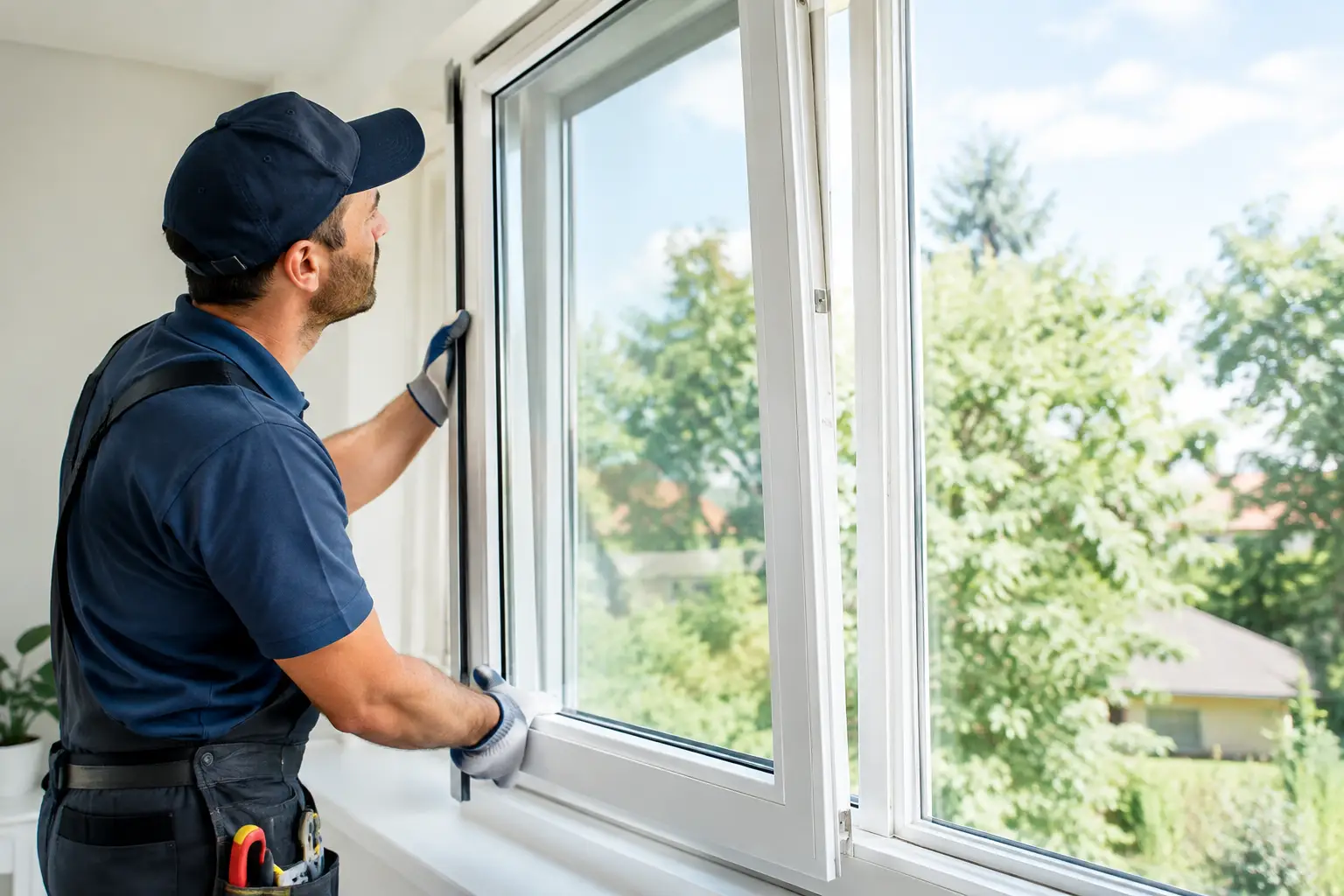
A window that sticks, leaks air, or looks permanently cloudy can make a room feel unfinished and uncomfortable. Window replacement is often the right answer, but not every damaged or outdated window needs to be removed. The best decision starts with identifying what has failed: the glass, the hardware, the frame, the seal, or the entire window system.
For homeowners, landlords, and property managers in Washington, DC, Maryland, and Virginia, the goal is usually clear. You want a safer property, better comfort, a clean appearance, and work completed without unnecessary delays. For a storefront or office, visibility, security, and a fast return to normal operations may matter even more.
When Window Replacement Makes Sense
Replacement is most worthwhile when the window can no longer perform its basic job. A cracked pane may be a glass-only repair. But a window with a rotted frame, failed locks, repeated water intrusion, or severe drafts has problems that extend beyond one piece of glass.
Age alone does not automatically mean replacement is necessary. Well-built older windows can sometimes be repaired, restored, or upgraded with new glass, weatherstripping, hardware, or storm windows. This can be especially valuable for historic properties where preserving the original profile and character matters.
Still, there are clear signs that a full replacement deserves serious consideration. If you can feel cold air around a closed window, see daylight around the sash, or find that the frame has softened from moisture damage, repairs may only delay a larger problem. Condensation between insulated glass panes is another common sign of seal failure. The haze itself is not always a structural emergency, but it reduces clarity and insulation and rarely improves on its own.
Windows that will not open or lock also deserve prompt attention. In a bedroom, an inoperable window can affect emergency egress. On a ground floor, weak locks or damaged frames can create a security concern. In commercial spaces, broken or poorly functioning storefront windows can undermine both customer confidence and property protection.
Repair or Replace? Start With the Failure
A professional inspection should separate an isolated defect from a system-wide issue. This protects you from paying for a replacement when a focused repair can solve the problem.
If only the insulated glass unit is fogged, cracked, or broken while the frame remains square and sound, glass replacement may restore the window at a lower cost. The same is true when the issue is worn balances, locks, handles, rollers, or other hardware. Patio doors, for example, often need new rollers or glass rather than a full door replacement.
Replacement becomes the more practical choice when several components are failing at once. Consider a window with fogged glass, a bowed vinyl frame, failed locks, and water staining around the sill. Repairing one part may leave the others vulnerable. A new, properly sized window can provide a more durable solution and improve operating performance at the same time.
The decision also depends on your plans for the property. A homeowner preparing to stay for years may prioritize energy performance and reduced maintenance. A landlord may need a reliable, cost-conscious solution that keeps a unit secure and ready for occupancy. A retail property owner may need matching storefront glass or a commercial door system that restores appearance quickly after damage.
What a Proper Replacement Should Address
The product matters, but installation matters just as much. Even a quality window can underperform if it is measured incorrectly, installed out of square, or left with gaps around the frame.
A careful replacement begins by confirming the opening size, checking the surrounding framing, and looking for signs of moisture damage. The installer should verify how the existing window was built into the wall and determine whether a replacement insert or a full-frame installation is appropriate.
An insert replacement fits within an existing frame that is still in good condition. It can reduce disruption and preserve interior trim, but it may slightly reduce the visible glass area. A full-frame replacement removes the existing frame as well, allowing the installer to inspect the opening and address hidden rot or water damage. It is often the better choice when the frame is compromised, though it usually involves more labor and finish work.
Proper sealing is not an optional finishing detail. The window must be insulated and sealed to limit air and water intrusion while allowing the unit to operate correctly. Exterior trim, flashing, caulking, and drainage details all need attention. This is where skilled workmanship protects the investment you made in the window itself.
Energy Efficiency Is More Than New Glass
Many property owners start looking at replacement windows after high utility bills or uncomfortable rooms. New windows can help, especially when old units are single-pane, poorly sealed, or damaged. But the expected savings depend on the window type, the condition of the existing windows, the building envelope, sun exposure, and how the space is heated and cooled.
For the DMV climate, insulated glass with a low-emissivity coating can help reduce heat transfer through the glass. The right glass selection may help keep conditioned air inside during hot, humid summers and cold winter periods. Different coatings and tint levels can also affect glare and solar heat gain, which is useful for sun-facing rooms, offices, and storefronts.
Do not choose glass based on efficiency alone. A dark tint may reduce glare but change the appearance of the building and the amount of natural light inside. Decorative or privacy glass may suit a bathroom, entry, or office partition but may not be appropriate for every opening. The right recommendation balances comfort, appearance, code requirements, and the purpose of the space.
Security, Safety, and Emergency Situations
A broken window is different from an aging window. After a break-in, storm impact, vehicle accident, or accidental glass damage, the first priority is securing the property. Emergency board-up and broken-glass response can protect an opening until the correct replacement glass or window is available.
For commercial properties, the replacement should account for more than appearance. Storefront glass may need to match existing panels, meet safety glazing requirements, or provide additional security. Entry doors may require coordinated repairs to closers, pivots, locks, panic hardware, or frames. Replacing the glass without correcting damaged door hardware can leave the entry unreliable.
At a home, safety glass is often required in locations near doors, tubs, showers, stairs, and low-level openings. Tempered or laminated options can improve safety, depending on the location and local requirements. An experienced glazing contractor can explain the practical difference without burying you in technical language.
When immediate protection is needed, DMV Window Specialist provides responsive emergency board-up and glass service for residential and commercial properties. Once the opening is secure, there is time to choose the right permanent repair or replacement instead of making a rushed decision under pressure.
Questions to Ask Before Approving the Work
Before scheduling a replacement, ask what is actually being replaced and why. A clear estimate should identify whether the work includes glass only, an insert window, a full-frame window, trim repairs, hardware, disposal, and sealing work. If there is visible water damage, ask whether the surrounding opening will be inspected before the new unit is installed.
It also helps to discuss lead time. Standard residential sizes may be available sooner than custom shapes, oversized panels, specialty glass, or matching commercial storefront units. If the opening cannot remain exposed, ask how the property will be secured while materials are ordered.
Finally, ask how the replacement will look from both sides of the glass. Frame color, grid pattern, glass clarity, trim profile, and sightlines can make a major difference, particularly when one failed window sits beside several existing windows. A functional repair should not leave the property looking patched together.
A good window decision is not about automatically choosing the biggest project. It is about correcting the real problem with work that protects the property, fits the budget, and holds up through the next season. If a window is damaged, drafty, fogged, or no longer secure, a prompt on-site evaluation can turn uncertainty into a practical plan.
