

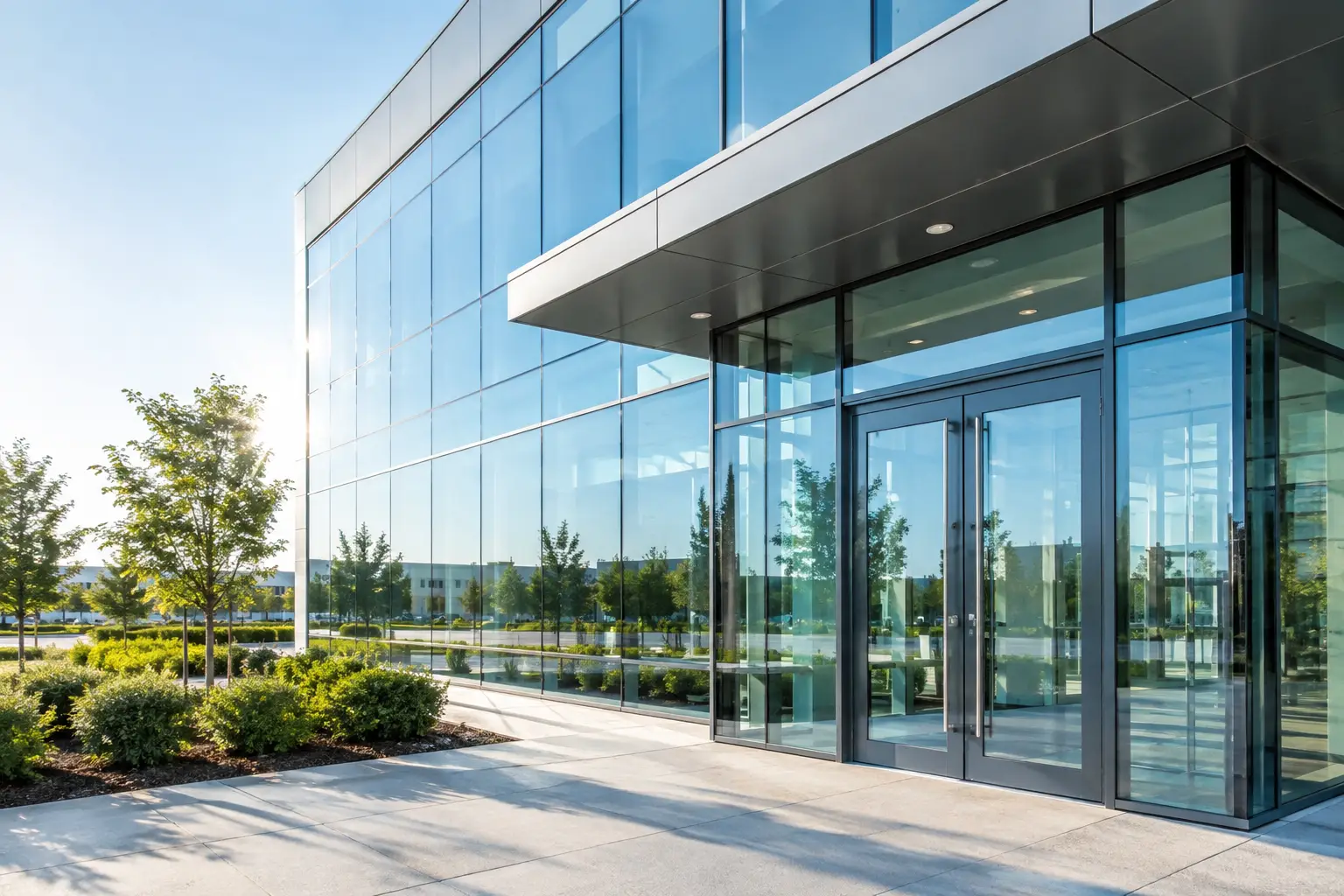
A cracked storefront panel, a sticking glass entry door, or a fogged office window can change how customers see your business in seconds. Commercial glazing is not just about replacing broken glass. It is about protecting people, maintaining access, preserving visibility, and keeping a property looking open, secure, and professionally maintained.
For businesses across Washington, DC, Maryland, and Virginia, glass problems rarely arrive at a convenient time. A delivery accident, attempted break-in, storm, or worn-out door closer can leave a building exposed after hours. The right response is fast assessment, proper securing of the opening, and a repair plan that fits the building, the glass system, and the way the space is used.
What Commercial Glazing Covers
Commercial glazing includes the glass and related components that make up a business property’s exterior and interior openings. That can mean a street-facing storefront, a glass entrance, office partitions, sidelites beside a door, mirrors in a fitness center, or security glass in a high-traffic location.
The glass itself matters, but a dependable installation also depends on the surrounding frame, seals, gaskets, door hardware, and alignment. Replacing a damaged pane without correcting a bent frame, failed seal, or malfunctioning closer can lead to repeat problems. A professional evaluation looks at the whole opening, not only the visible break.
Storefront glass is often the first concern because it affects security and curb appeal at the same time. Clear, clean glass helps customers see merchandise, signage, and activity inside. When it is cracked, scratched, fogged, or boarded up for too long, it can make an otherwise well-run business appear closed or neglected.
Commercial doors deserve equal attention. A door that drags, will not latch, slams shut, or leaves a gap around the edge is more than an annoyance. It can compromise security, create accessibility concerns, increase heating and cooling loss, and put extra stress on the glass and hardware.
When a Repair Is the Right Call
Not every glass issue requires a full replacement. In many cases, a targeted repair can restore function and appearance while controlling costs. Door pivots, continuous hinges, panic hardware, closers, locks, handles, and weatherstripping may be repairable or replaceable without changing the entire door system.
Small issues should still be addressed promptly. A minor chip can spread into a crack, and a door that needs to be pushed or lifted to close can eventually damage the glass or frame. Early service is usually less disruptive than waiting for a failure during business hours.
Repair can make sense when the existing glass is safe, the frame is in good condition, and the issue is limited to hardware, glazing seals, or an isolated pane. It may also be the practical choice for property managers maintaining several units, especially when they need to restore a tenant space quickly between leases.
The decision depends on the condition of the system, the location of the damage, and the safety requirements of the opening. Glass near entrances, walkways, and high-traffic areas often requires safety glazing. An experienced glazing contractor can identify the correct replacement type instead of treating every pane as interchangeable.
When Commercial Glazing Replacement Is Better
Replacement becomes the smarter long-term choice when glass has repeated cracks, failed insulated units, substantial scratches, edge damage, or outdated performance. The same is true when an entry system no longer closes reliably, the frame has been damaged, or the existing glass does not provide the privacy, security, or energy control the property needs.
Insulated glass units can lose their seal over time. When that happens, moisture may collect between panes, leaving the glass hazy or fogged. In an office, retail space, lobby, or restaurant, that reduces natural light and makes the space look poorly maintained. Replacing the insulated unit can restore clarity and improve temperature control without necessarily replacing the entire window or storefront frame.
Replacement is also an opportunity to solve a recurring issue. A property with strong afternoon sun may benefit from glass that reduces heat gain and glare. A street-level business with break-in concerns may need a stronger security-focused glass option. An office that needs more private meeting areas may choose frosted or decorative glass partitions instead of constructing solid walls.
There is no one glass product that works best for every commercial building. The right choice depends on exposure, building use, local requirements, budget, and how quickly the opening needs to be back in service.
Glass Choices Should Match the Risk
A business owner should not have to sort through technical terms alone, but understanding the purpose of common glass options helps make the decision clearer.
Tempered safety glass is designed to break into smaller pieces than standard annealed glass. It is commonly used in doors and locations where people are likely to come into contact with the glass. Laminated glass uses an interlayer that helps hold broken pieces together. It can be a strong choice where added security, safety, or noise reduction is needed.
Insulated glass units use multiple panes with a sealed airspace between them to improve energy performance. Low-emissivity coatings can help reduce unwanted solar heat and improve comfort near windows. For offices and storefronts with significant sun exposure, this can make a noticeable difference in hot and cold seasons.
Decorative, tinted, frosted, or patterned glass serves a different purpose. These options can create privacy for conference rooms, medical offices, salons, and interior partitions while still allowing light to move through the space. The best selection balances appearance with practical needs such as visibility, cleaning, durability, and privacy.
Emergency Glass Service Keeps Damage From Growing
Broken commercial glass is a security issue first. If a storefront has been shattered after a break-in or accident, the priority is to protect the opening, remove hazardous loose glass, and prevent unauthorized access. A prompt emergency board-up gives the property immediate protection while the correct replacement glass is ordered or prepared.
Board-up is a temporary measure, not the finished repair. Leaving plywood in place longer than necessary can reduce visibility, affect customer confidence, and expose the property to weather-related problems. The goal should be a properly measured replacement and professional installation as soon as the needed glass is available.
Businesses should also act quickly after less dramatic damage. A cracked sidelite beside an entrance, a loose glass panel, or a door that will not lock correctly can create risk even if the building remains occupied. Reporting the issue early helps avoid an after-hours emergency later.
For property managers, having one responsive provider for emergency response, routine storefront repair, door hardware service, and interior glass work simplifies maintenance. It also creates consistency across locations, which is especially useful when tenants need fast communication and clear expectations.
What to Expect From a Professional Glazing Visit
A quality commercial glass service call should start with a practical assessment. The technician should inspect the glass, measure the opening accurately, review the frame and hardware, and explain what can be repaired now versus what requires replacement.
For urgent damage, the first visit may focus on securing the property. For planned work, the process may include selecting the right type and thickness of glass, confirming safety requirements, ordering custom material when needed, and scheduling installation to minimize disruption. A good contractor will explain the timeline in plain language rather than promising an unrealistic same-day replacement for specialty glass that must be fabricated.
Installation matters as much as the glass selection. Proper setting blocks, sealants, gaskets, and alignment help prevent water intrusion, rattling, stress cracks, and premature seal failure. With commercial doors, the final adjustment should confirm that the door swings smoothly, latches correctly, and closes safely.
Protect Your Storefront Before It Becomes an Emergency
Routine inspections can catch problems before they interrupt business. Watch for cracked corners, fog between glass panes, water stains around frames, loose glazing, damaged weatherstripping, drafty entrances, and doors that scrape or fail to latch. These warning signs are easier and less expensive to address before the glass breaks or the door stops working entirely.
If your property has damaged storefront glass, a failed insulated unit, an unsafe entry door, or an interior glass project that needs professional attention, DMV Window Specialist can assess the opening and provide a clear path forward. The right commercial glazing repair or replacement does more than restore glass. It helps your business stay secure, accessible, comfortable, and ready to welcome people through the door.
