

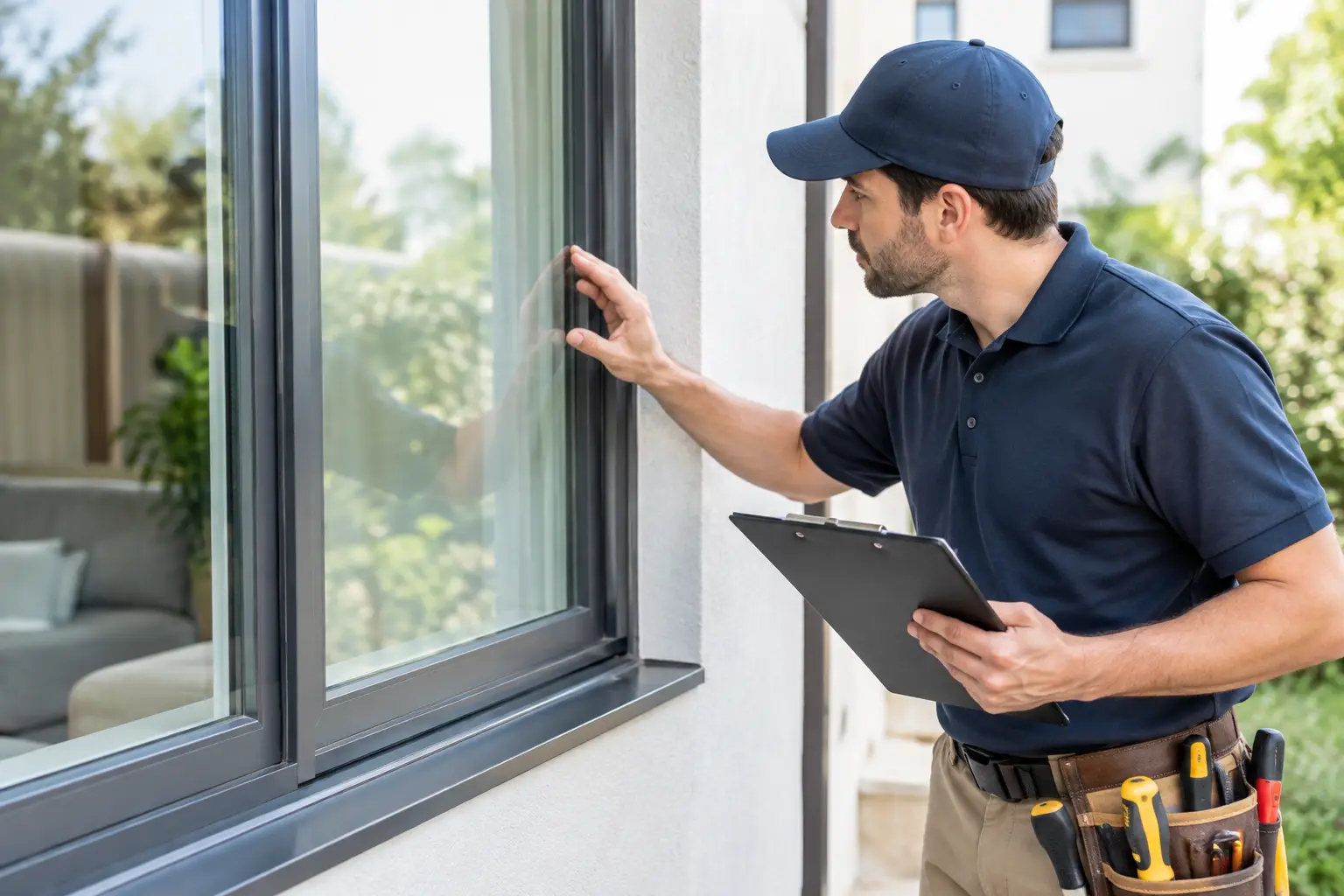
A cracked bedroom window, fogged patio door, or broken storefront panel can turn into a tenant complaint, a security concern, and a preventable vacancy risk at the same time. This rental property glass guide gives DMV landlords and property managers a practical way to respond: secure the opening first, identify the right repair, and make decisions that protect the property for the long term.
Rental Property Glass Guide: Start With Safety and Access
Not every glass problem requires full window replacement. But every broken or unstable pane deserves prompt attention. Sharp edges, loose fragments, a window that will not lock, or an opening exposed to weather can put tenants at risk and leave the owner with a much more expensive repair later.
For an actively broken window or door, keep people away from the area and avoid asking a tenant to clean up large or unstable pieces. A qualified glass technician can remove hazardous glass, secure the opening, and measure for the correct replacement. If damage occurs after a break-in, vehicle impact, storm, or vandalism, emergency board-up may be the right immediate step while replacement glass is ordered.
Speed matters most at ground-level units, vacant homes, storefronts, and common areas. An unsecured opening invites water intrusion and unauthorized entry. It can also interrupt a business tenant’s operations or make a residential unit unfit for comfortable occupancy.
Know What Failed Before Approving the Work
Clear communication starts with identifying the actual problem. Tenants may report a window as broken when the glass is intact but the hardware has failed, the insulated unit has lost its seal, or the sash no longer operates properly. Those conditions need different solutions and carry different costs.
Cracked or shattered glass
A crack can spread with temperature changes, door movement, or pressure on the pane. Single-pane glass may sometimes be replaced within the existing frame. Double-pane insulated glass usually requires replacement of the sealed glass unit rather than the entire window. If the frame is sound, replacing the glass can restore the window at a lower cost than installing a new unit.
Fogging between panes
Condensation or haze inside a double-pane window indicates a failed insulated-glass seal. The window may still be secure, but its appearance and energy performance have declined. Replacing the insulated glass unit can often clear the view and improve comfort without disturbing the frame, trim, or exterior finishes.
Failed locks, rollers, and balances
A patio door that drags, a window that will not stay open, or a lock that no longer engages is not merely an inconvenience. It affects security and can become a safety issue during an emergency. Hardware repair may solve the problem without replacing the glass, especially in otherwise serviceable windows and doors.
Damaged frames or recurring leaks
Rotten wood, bent metal, failed seals around the opening, or repeated water intrusion may point to a broader window or installation issue. A glass-only repair will not correct a frame that cannot hold the new pane securely. This is where an on-site assessment is worth the time. The least expensive repair today is not always the best value if moisture is already damaging surrounding materials.
Decide Who Is Responsible Without Delaying the Repair
Responsibility for glass damage often depends on the lease, the cause of loss, and local requirements. Normal wear, failed seals, aging hardware, and storm damage are commonly owner-side maintenance matters. Damage caused by a tenant, occupant, or guest may be handled differently under the lease.
Even when responsibility is still being sorted out, do not wait to secure a hazardous or exposed opening. Document the condition with dated photos, retain invoices, and communicate clearly with the tenant about what will happen next. If insurance may be involved, photograph the scene before cleanup when it is safe to do so.
Property managers should also avoid making assumptions after a break-in. Police documentation, tenant statements, and an assessment of the damaged door or window can help establish what happened. The immediate priority remains the same: restore security quickly, then handle reimbursement or claims through the appropriate process.
Choose Glass That Fits the Location
Replacement glass should match more than the opening size. The location, use of the room, building type, and local code requirements all matter. A knowledgeable glazing contractor can verify what is appropriate for the existing system and the application.
Safety glass is commonly required in higher-risk locations, such as glass near doors, shower enclosures, and certain low windows. Tempered glass is designed to break into small pieces instead of sharp shards. Laminated glass holds together more effectively after impact because it includes an interlayer between panes. The right choice depends on the opening and the level of security or safety needed.
For rental homes, energy-efficient insulated glass can reduce uncomfortable hot and cold spots that lead to maintenance calls. Low-emissivity coatings and properly sealed double-pane units can improve comfort, although the benefit depends on the overall window condition, orientation, and HVAC performance. In a historic property, preserving original frames while replacing damaged panes or adding storm windows may be a better fit than a full replacement.
Commercial properties call for a different review. Storefront glass needs to support visibility, security, and day-to-day traffic. Entry doors must close and lock correctly. Office partitions should provide the desired privacy and appearance without creating avoidable maintenance issues. In some retail settings, laminated security glass may be worth the added investment because it can help delay forced entry and keep broken glass in place after impact.
Build Glass Checks Into Routine Inspections
The best time to find a failing seal or loose door closer is before a tenant move-in, not after a late-night call. Include glass and hardware in turnover inspections, seasonal walkthroughs, and commercial property maintenance plans.
Look closely for cracks at corners, missing glazing, cloudy insulated glass, damaged screens, water staining around frames, loose putty on older windows, and locks that do not fully engage. Open and close every operable window and patio door. A door that requires force to lock may need roller adjustment or hardware repair before it damages the frame or leaves the unit less secure.
For multi-unit buildings, keep a record of window sizes, door hardware types, and previous repairs when possible. That record helps speed up future service, particularly when matching glass in a common area or addressing repeat problems in the same style of window.
Plan for Emergency Glass Damage Before It Happens
Emergency glass service is most useful when the damage cannot wait for regular scheduling. That includes broken entry doors, exposed storefronts, shattered patio doors, and windows damaged by storms or forced entry. The right response is usually temporary protection first, followed by accurate measurement and permanent replacement.
A board-up is not a finished repair, but it protects the building while the correct glass is sourced. This matters for oversized panels, insulated units, custom shapes, safety glass, and storefront systems, which may not be available for same-day installation. Ask the technician to explain the temporary protection, expected replacement timeline, and whether any hardware or frame damage also needs attention.
DMV Window Specialist provides residential and commercial glass repair, secure board-up, and 24/7 emergency response across Washington, DC, Maryland, and Virginia. For landlords and managers, working with a local glazing team that can handle both routine repairs and urgent damage reduces the time spent coordinating multiple vendors.
Control Costs Without Choosing a Short-Term Fix
Glass repair costs vary based on pane size, glass type, accessibility, emergency timing, and whether frames or hardware are involved. A standard insulated unit in an accessible window is usually simpler than an oversized stairwell panel, a custom patio door insert, or a commercial door with damaged pivots and closers.
The practical question is not simply whether repair is cheaper than replacement. Ask whether the repair restores safety, weather resistance, security, and normal operation. Replacing a failed insulated glass unit can make excellent financial sense when the frame is solid. Replacing the whole window may be smarter when frames are deteriorated, leaks keep returning, or several components have reached the end of their service life.
Request a clear scope that identifies what is being repaired, what materials are proposed, and whether related issues have been found. Fair pricing should come with straightforward explanations, not vague recommendations.
A well-maintained glass system helps tenants feel secure, keeps commercial spaces presentable, and protects the property from avoidable damage. When a pane cracks or a door will not lock, act early: secure the opening, get the right diagnosis, and restore the property with a repair built to last.
