

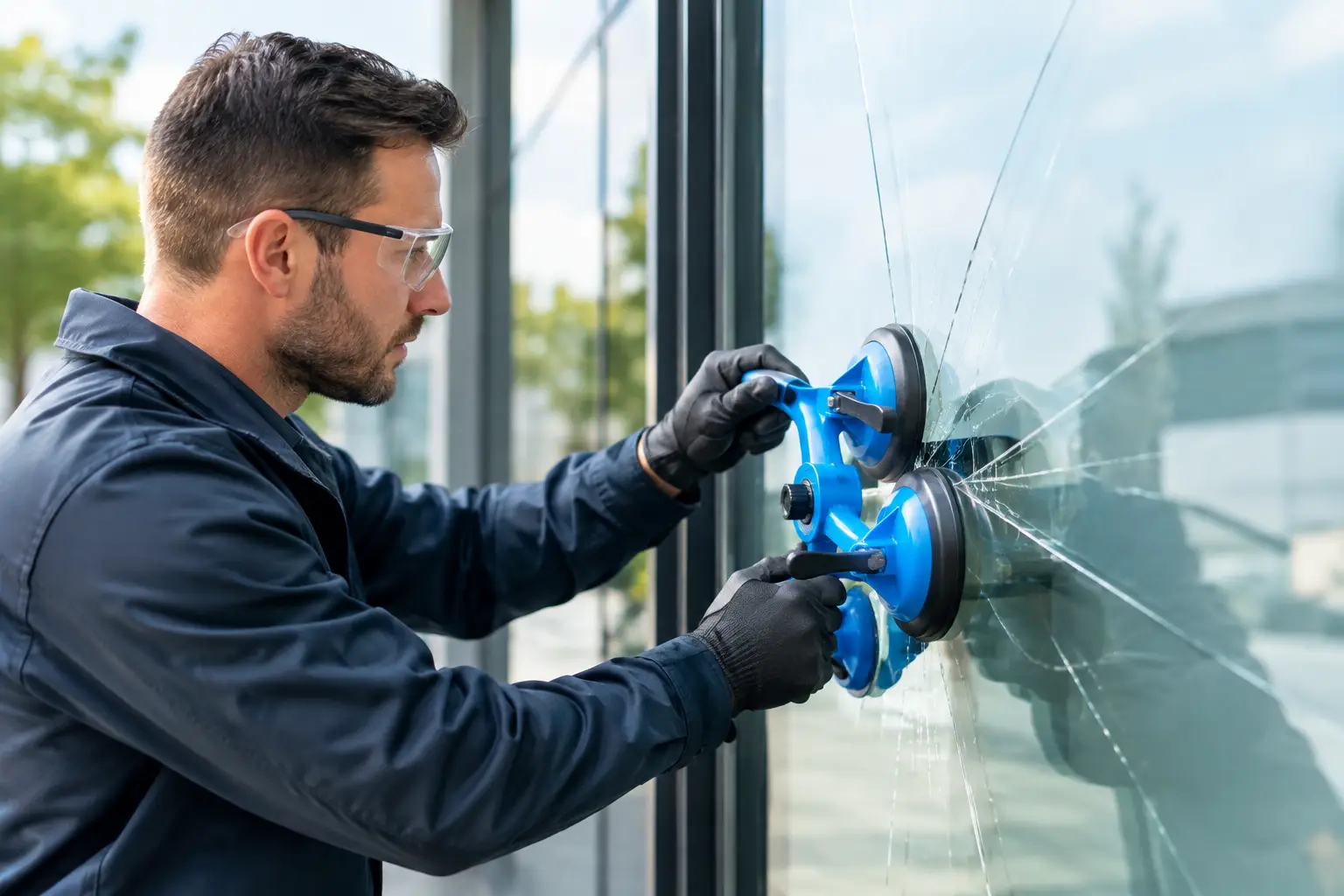
A shattered storefront window before opening, a broken patio door after a storm, or glass damaged during a break-in creates an immediate problem. Emergency glass repair is not only about replacing a pane. It is about protecting people, securing the property, and getting your home or business back to normal without unnecessary delays.
For property owners across Washington, DC, Maryland, and Virginia, the first few hours matter. Exposed openings can invite theft, weather damage, pests, and further property damage. Sharp glass also creates a serious safety risk for family members, employees, tenants, customers, and pets. A fast, professional response helps control those risks while a permanent glass repair or replacement is arranged.
Emergency Glass Repair Starts With Safety
Do not rush toward the damaged opening. Broken glass can spread farther than it appears, especially after impact damage or high winds. Keep children, pets, customers, and employees away from the area, and avoid touching loose pieces around the frame.
If the broken glass resulted from a break-in, preserve the scene as much as possible. Contact law enforcement before cleaning up if needed, take clear photos from a safe distance, and document damage to doors, locks, merchandise, or surrounding materials. For a commercial property, this record can be helpful for insurance reporting and internal incident documentation.
When the damage is caused by weather, look beyond the glass. Check for water entering the property, damaged screens, loose framing, or debris that could create a second hazard. If the opening is near electrical equipment or standing water, keep clear and wait for qualified help.
A professional glazing team can remove dangerous glass, assess the frame and surrounding hardware, secure the opening, and determine the right next step. That may be a same-day replacement when the required glass is available, or a temporary board-up that protects the property until custom or specialty glass can be installed.
What to Do During the First Hour
Start by creating a safe perimeter. Move people away from the broken area and block access with chairs, cones, tape, or another visible barrier if you have one. Wear closed-toe shoes and protective gloves if you must move small pieces from a walking path, but leave large, loose, or elevated glass to trained technicians.
Next, protect the interior from the elements. If rain, wind, or cold air is entering through the opening, move furniture, electronics, inventory, documents, and soft furnishings away from the area. Cover nearby items with plastic sheeting or tarps if it can be done safely. Do not place plastic directly over sharp fragments or try to force it into a damaged frame.
Then contact an emergency glass service. Explain the type of property, where the damage is located, the approximate size of the opening, and whether the frame, door, lock, or hardware is also damaged. A clear description helps the technician arrive prepared with appropriate materials for securing the opening.
When Emergency Glass Repair Requires a Board-Up
A board-up is often the safest immediate solution when a replacement cannot be installed on the first visit. This is common with oversized storefront panels, insulated window units, custom patio door glass, security glass, decorative glass, and specialty commercial systems. It is also a practical option when the frame needs repair before new glass can be fitted correctly.
A proper emergency board-up should cover the opening securely without causing unnecessary damage to the surrounding frame or building exterior. It should reduce access to the property, limit wind and rain intrusion, and provide a temporary barrier until permanent repair can be completed.
For businesses, a board-up can be the difference between opening safely the next morning and losing additional time to an unsecured storefront. For homeowners and landlords, it can prevent a damaged window or door from becoming an overnight security concern. Temporary protection is not the final repair, but it gives you time to make the right long-term decision instead of accepting a rushed, poor-fitting solution.
Residential Glass Damage Can Affect More Than Security
At home, broken glass may involve far more than a standard window. Patio doors, storm doors, mirrors, shower enclosures, insulated glass units, and historical windows each require a different repair approach. The right solution depends on the location, the condition of the frame, and how the glass is used.
For example, a broken patio door panel may need safety glass designed for doors and high-traffic areas. A fogged insulated window may not be an emergency unless the seal failure is paired with cracked glass, water intrusion, or a compromised opening. A damaged shower enclosure should be evaluated carefully because tempered glass can fail suddenly and leave an unsafe bathing area.
Older homes may need additional attention. Historical or original wood windows can often be supported with carefully measured replacement glass and compatible repair work rather than a full window replacement. The goal is to restore safety and weather protection while respecting the character of the property.
Commercial Glass Repairs Need a Fast, Practical Plan
For retailers, restaurants, offices, and multi-unit properties, broken glass affects operations immediately. A damaged storefront can reduce visibility, interrupt customer access, and make a business look closed or vulnerable. A broken commercial door can also affect building access, code compliance, and employee safety.
Commercial emergency calls often involve more than glass alone. The impact may damage door closers, pivots, panic hardware, locks, aluminum framing, or access-control components. Addressing only the broken pane can leave the entrance difficult to secure or operate. A complete assessment identifies whether the glass, hardware, and frame all need attention.
Security glass systems may also require a more specific replacement plan. Tempered glass is designed to break into small pieces, while laminated glass holds together with an interlayer that can provide added resistance after impact. The best choice depends on the application, local requirements, security concerns, appearance, and budget. A technician should explain those trade-offs clearly before permanent work begins.
Repair or Replacement: How the Decision Is Made
Not every broken glass situation calls for full window or door replacement. If the frame is structurally sound and the damage is limited to the glass, replacing the glass can be a cost-effective way to restore the opening. This is often the case with insulated glass units, patio door panels, storefront glass, and many fixed windows.
Replacement becomes more likely when the frame is warped, rotted, corroded, bent, or no longer holds glass securely. It may also be the better option when repeated damage, poor energy performance, or outdated hardware is affecting the opening. For landlords and property managers, this is especially relevant when a quick repair could solve the immediate issue but leave a recurring maintenance problem behind.
Energy efficiency should be part of the conversation when replacing residential glass. A properly matched insulated unit can help reduce drafts, improve comfort near windows and doors, and support better indoor temperature control. However, energy upgrades should not delay the immediate need to secure a broken opening. Safety comes first, then the long-term improvement plan.
What a Professional Emergency Response Should Include
A dependable emergency glass service should arrive prepared to assess the damage, remove immediate hazards, and secure the property. The technician should explain whether a permanent repair can be completed right away or whether a board-up and follow-up installation are needed.
You should also receive straightforward guidance on glass type, lead time for specialty materials, frame or hardware concerns, and expected costs. Emergency work can involve variables that are not visible until the damaged glass is removed, so clear communication matters. The right provider will not leave you guessing about what has been secured, what still needs to be ordered, or when the final repair can be completed.
DMV Window Specialist provides emergency response for residential and commercial glass damage throughout the region, with professional board-up, glass repair, replacement, and door hardware support when a property needs immediate protection.
After the Opening Is Secured
Once the immediate hazard is under control, take a moment to look at why the damage happened. A break-in may call for improved locking hardware, laminated security glass, or better exterior lighting. Storm damage may reveal a loose window, aging seal, or door that is not closing properly. Repeated cracks near a door or storefront can point to frame movement, hardware problems, or impact from nearby traffic.
Keep photos, invoices, and any police or insurance information together. If you manage a property, document the unit or suite, the time of the incident, the temporary protection installed, and the next scheduled repair. These details make follow-up easier and help prevent small issues from becoming costly gaps in security.
Broken glass is stressful, but the next step should be simple: keep people safe, secure the opening, and choose a repair that fits the property rather than just covering the damage. Fast action protects what matters now and gives you a better starting point for a lasting repair.
