

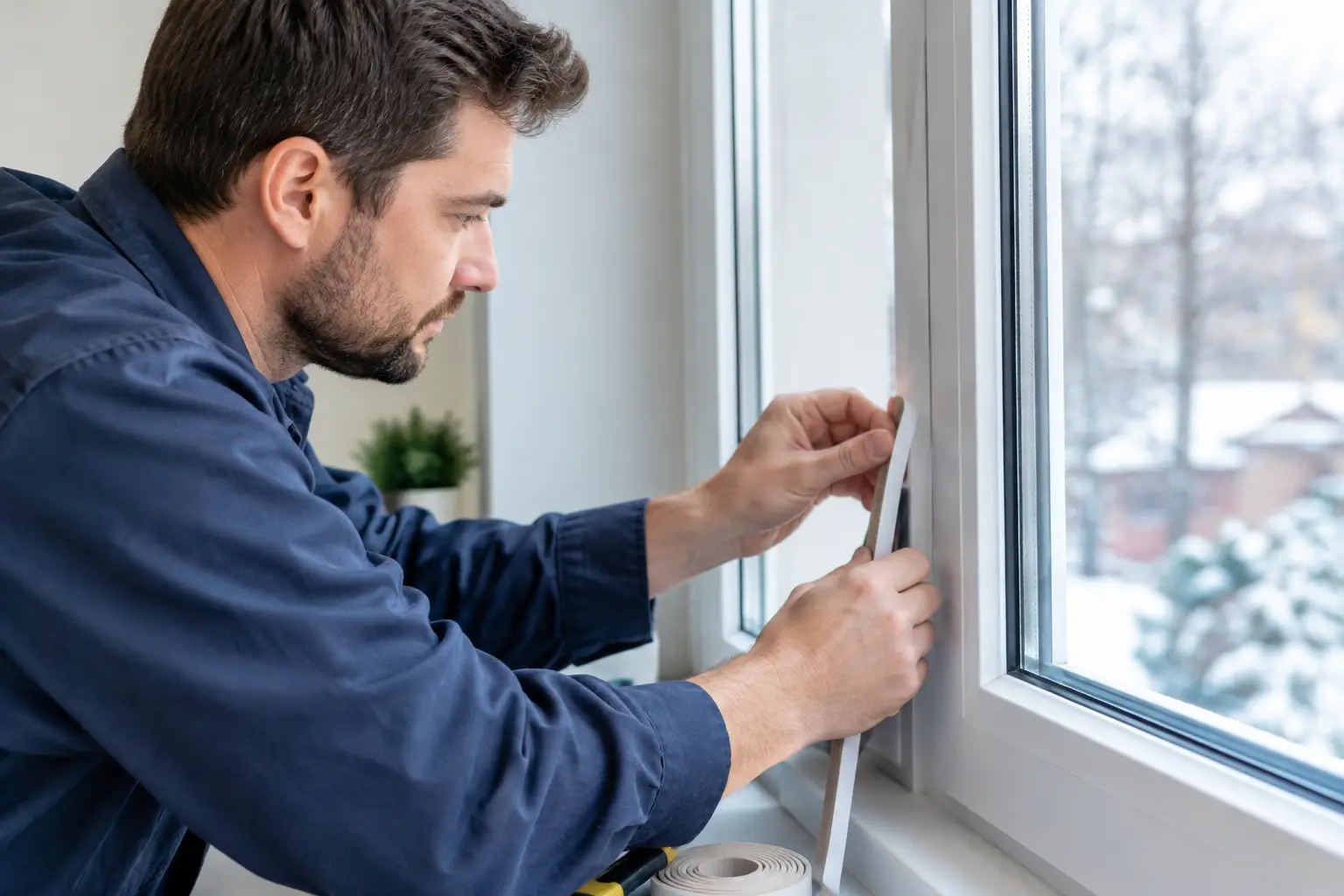
A cold stream of air near a window is more than an annoyance. It can make one room uncomfortable, force your heating or cooling system to work harder, and signal a window problem that will worsen with another season of weather. Prompt drafty window repair helps restore comfort without automatically committing you to full window replacement.
For homeowners, landlords, and property managers across Washington, DC, Maryland, and Virginia, the right repair depends on where the air is entering and why. Sometimes the fix is straightforward hardware adjustment or weatherstripping. Other times, the issue involves failed glass seals, damaged frames, loose glazing, or an older window that needs professional restoration support.
Find Where the Draft Is Coming From
Before deciding on a repair, identify the source of the air movement. A window can feel cold because the glass itself is transferring outdoor temperatures. That is different from an actual draft, where outside air is passing through a gap around the sash, frame, lock, or trim.
On a windy day, slowly move your hand around the edges of the closed window. Pay close attention to the meeting rail on double-hung windows, the corners of sliding windows, and the area where the sash locks. You may also notice moving curtains, rattling panes, dust buildup along a gap, or a noticeable change in temperature near the frame.
Do not overlook adjacent areas. Air can enter through deteriorated exterior caulking, gaps behind interior trim, a poorly sealed window opening, or a worn patio door that makes the entire room feel drafty. In commercial spaces, drafts may occur around storefront doors, large glass panels, or aging aluminum frames.
Common Signs You Need More Than a Simple Seal
Weatherstripping can solve minor air leaks, but it is not a cure for every problem. A window deserves professional attention when it will not lock securely, slides or opens poorly, rattles in the frame, has visible wood rot, or shows cracked glass or loose putty.
Fogging between double-pane glass is another important clue. This usually means the insulated glass unit seal has failed. The fog itself does not always create a direct air leak, but it reduces insulation performance and can leave the room feeling colder or hotter. Replacing the insulated glass unit may restore clarity and improve energy performance while keeping the existing frame when the frame is still in good condition.
Drafty Window Repair Starts With the Right Fix
The best repair is the one that addresses the actual failure point. Covering a problem with temporary film or excessive caulk may provide short-term relief, but it can also trap moisture, interfere with operation, or hide damage that needs attention.
Replace Worn Weatherstripping and Seals
Weatherstripping creates the compression seal that keeps air out when a window or door is closed. Over time, foam can flatten, vinyl can crack, and pile weatherstripping in sliding windows can wear away. Replacing it is often a cost-effective repair when the window is otherwise sound.
The product and installation method matter. Weatherstripping must fit the window type and allow the sash to close, lock, and drain properly. Too little material leaves gaps. Too much can make a window hard to operate or prevent a secure lock.
Repair Window Hardware and Alignment
A window that does not close tightly is often a hardware issue. Worn balances, damaged hinges, bent tracks, failed rollers, loose locks, or missing keepers can leave a small but persistent opening around the sash.
Professional adjustment or hardware replacement can bring the window back into proper alignment. This is especially valuable for sliding windows, casement windows, awning windows, and patio doors, where even a slight shift can break the perimeter seal. A properly engaged lock does more than improve security – it pulls the sash into the weatherstripping where it belongs.
Address Damaged Caulk, Trim, and Frames
Exterior caulk protects the joint between the window frame and exterior wall. When it splits, pulls away, or disappears, wind-driven rain and cold air can reach the opening around the frame. Interior trim gaps can also allow air from the wall cavity into the room.
Caulking is not a universal answer. Exterior joints need the right sealant and proper surface preparation, while window weep paths and drainage areas must remain open. If the frame is rotted, warped, loose, or water damaged, repair may involve more than sealing the visible crack. The surrounding condition needs to be evaluated so moisture does not continue damaging the opening.
Replace Failed or Broken Glass
Glass replacement is often the practical option when the frame and operating parts remain serviceable. A cracked pane, failed insulated unit, or damaged patio door glass can compromise comfort, appearance, and safety. New energy-efficient glass can improve the window’s performance without requiring a full-frame replacement.
This approach can be particularly helpful for homes with custom-sized openings, historical windows, or commercial properties where matching existing framing and maintaining a consistent storefront appearance matter. The right glass selection depends on the opening, local exposure, safety requirements, and whether the priority is insulation, solar control, security, or all three.
When Repair Makes Sense and When Replacement Is Better
Repair is often the right choice when the draft comes from worn seals, faulty hardware, an isolated glass problem, or minor perimeter gaps. It can preserve an existing window, reduce downtime, and avoid replacing components that still have years of useful service.
Replacement becomes more reasonable when a window has extensive rot, major frame distortion, repeated seal failures, severely damaged sashes, or several problems that make repair inefficient. Older single-pane windows may also remain cold even after gaps are sealed because the glass provides limited insulation. In those cases, a replacement window or properly fitted storm window may offer a better long-term result.
There is no one-size-fits-all answer. A well-built older wood window may be worth restoring, particularly in a historic property. A low-quality window with failing components throughout may cost more to keep repairing than to replace. An on-site assessment should look at the window’s condition, operation, exposure to weather, and the property owner’s budget and goals.
Do Not Ignore Drafts in Patio Doors and Commercial Entrances
Draft complaints often point to patio doors rather than nearby windows. Sliding glass doors can develop worn rollers, flattened weatherstripping, misaligned panels, damaged tracks, and failed insulated glass. Because the opening is large, a small seal failure can be felt across the room.
For businesses, a draft around an entry door or storefront glass can affect customer comfort, employee work areas, and utility costs. Loose door sweeps, damaged closers, failing weather seals, and glass or frame damage should be handled quickly. A secure, properly operating entrance supports both energy efficiency and day-to-day safety.
If glass is broken after an accident, storm, or break-in, the priority is securing the property. Emergency board-up and glass repair help protect the opening from weather, unauthorized entry, and further damage while a permanent solution is arranged.
Simple Steps You Can Take While Waiting for Service
A few temporary measures can make a room more comfortable, but they should not replace a proper inspection. Close and lock all windows fully, clear debris from tracks, and move furniture or drapes away from supply vents so you can confirm the draft source. If you use temporary window film during a cold spell, apply it carefully and remove it when conditions improve.
Avoid forcing a stuck sash, drilling extra holes in the frame, or sealing visible drainage openings. These actions can damage the window or create moisture problems. If you see soft wood, water staining, cracked glass, loose panes, or a window that will not secure, schedule service rather than relying on a temporary patch.
Get a Clear Plan for a More Comfortable Property
Drafts rarely improve on their own. A small gap can become a larger seal failure, and recurring moisture can lead to damage around the window opening. A skilled technician can identify whether you need weatherstripping, hardware repair, insulated glass replacement, frame work, or a replacement recommendation based on the actual condition of the window.
DMV Window Specialist provides responsive window, glass, door, and hardware service for residential and commercial properties throughout the DC, Maryland, and Virginia area. The goal is straightforward: stop unwanted air, restore reliable operation, and leave your property safer and more comfortable. If a draft is affecting your home, rental, storefront, or office, getting it checked now can prevent a more expensive repair after the next hard rain, cold snap, or summer heat wave.
