

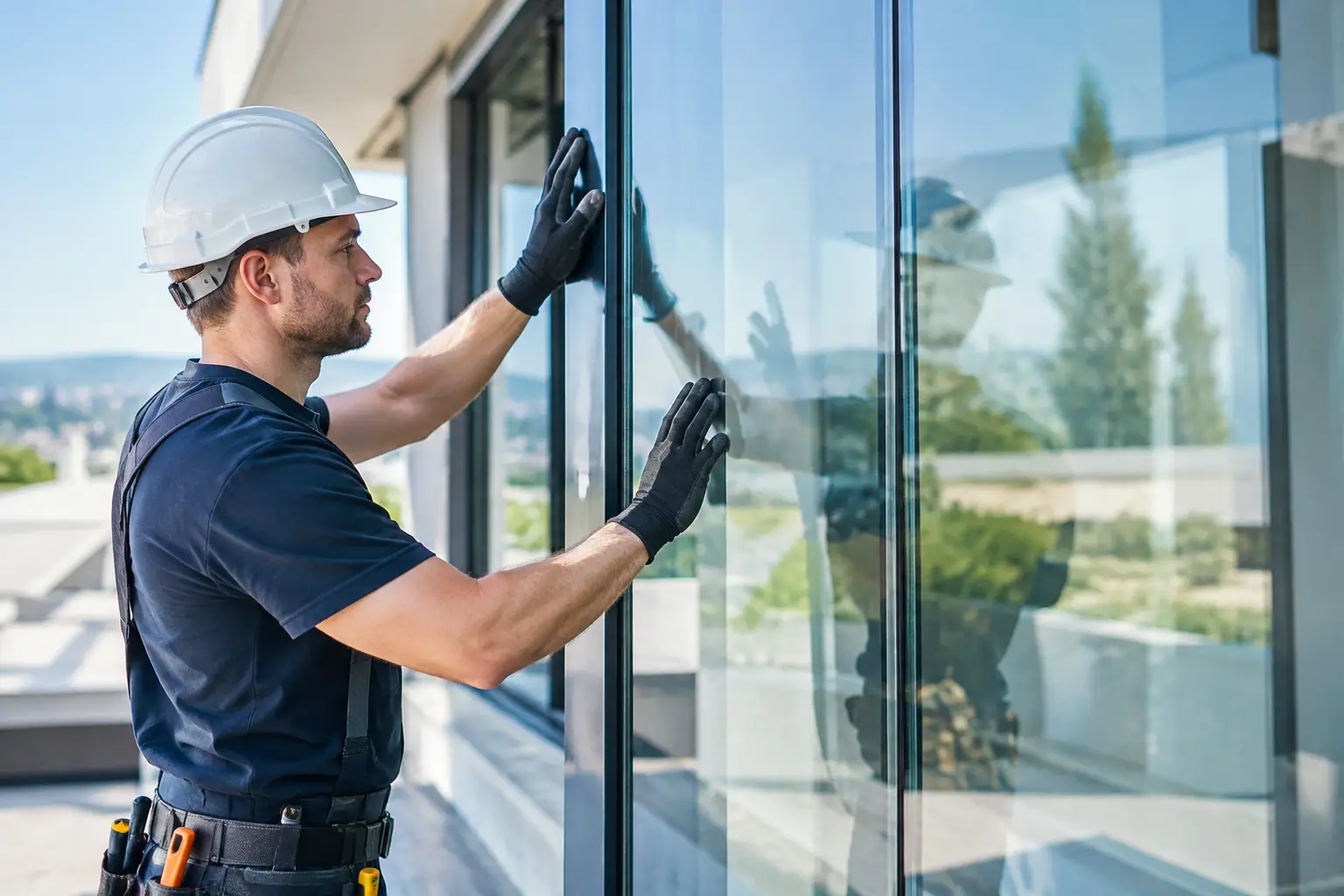
A shattered storefront, damaged patio door, or vulnerable ground-floor window creates more than an appearance problem. It can interrupt business, expose a home to weather, and leave people feeling unsafe. Professional security glass installation gives property owners a practical way to strengthen vulnerable openings while preserving the natural light and visibility that standard glass provides.
For homes, offices, retail spaces, apartment buildings, and public-facing properties, the right glass system can slow forced entry, hold broken glass together, and help protect people near the opening. The result depends on the glass selected, the condition of the frame, and the quality of the installation. Security is never just about the pane of glass.
What Security Glass Installation Is Designed to Do
Security glass is built to resist impact and stay in place longer than ordinary annealed glass. In many applications, laminated glass is the preferred solution. It uses two or more layers of glass bonded with a durable interlayer. When the glass is struck hard enough to break, the interlayer helps retain the fragments instead of allowing the opening to clear immediately.
That delay matters. A person attempting a break-in may need repeated strikes to get through the opening, creating noise and buying valuable time for occupants, neighbors, alarms, or law enforcement to respond. It also reduces the dangerous spread of loose glass after accidental impact.
Tempered glass has a different purpose. It is heat-treated to be stronger than standard glass and breaks into small, less sharp pieces when it fails. It is commonly required in doors, sidelights, shower enclosures, and other hazardous locations. Tempered glass improves safety, but it does not provide the same hold-together performance as laminated security glass after breakage.
The best choice depends on the opening and the risk. A retail storefront concerned about smash-and-grab theft may need laminated security glazing and an evaluation of the entry door hardware. A homeowner with a glass patio door may need safety glass that meets code while adding more resistance to impact. A property manager may need a solution that keeps a damaged common-area entrance secure while matching existing glass and framing.
Security Glass Installation Starts With the Whole Opening
Replacing a pane with stronger glass is only part of the work. If the frame is weak, the glazing stops are loose, the locks are failing, or the door pivots and closers are worn, the opening can still be vulnerable. A proper site visit should look at the complete assembly before recommending a repair or upgrade.
For storefronts, that may include aluminum framing, door rails, panic hardware, closers, hinges, locks, and the glass surrounding the entrance. For residential doors and windows, it may include the sash, tracks, rollers, locks, weatherstripping, and condition of the surrounding frame. This approach avoids spending money on high-performance glass while leaving the most likely point of failure unaddressed.
Installation also needs to account for glass thickness, panel size, edge support, setting blocks, sealants, and the type of frame. Oversized panels and custom storefront openings require accurate measurements and careful handling. A panel that fits poorly can develop stress at the edges, leak air or water, or fail to perform as intended.
Code requirements are another reason to use an experienced glazing contractor. Doors, sidelights, locations near floors, and certain commercial applications may require safety glazing. In some buildings, replacement work must also consider fire-rated assemblies, accessibility, historic requirements, or property management standards. Clear recommendations should explain what is required, what is optional, and what each option accomplishes.
A Clear Plan for Homes
Residential security upgrades often focus on the areas that are both accessible and exposed: patio doors, basement windows, side entries, detached garages, and first-floor windows near driveways or secluded yards. A broken insulated glass unit can sometimes be replaced without replacing the entire window, depending on the window’s condition and design.
Laminated glass can be paired with insulated glass in some window and door configurations, helping homeowners improve security while maintaining comfort. This is especially useful when an older pane is damaged, fogged between the glass layers, or no longer performing well. The right configuration can help reduce drafts and outside noise as well as improve impact resistance.
Not every home needs the heaviest available glass. Thicker or more specialized glazing may affect weight, cost, lead time, and whether the existing window or door can support it. A good recommendation balances the property’s exposure, the condition of the existing unit, the budget, and the performance the owner actually needs.
Fast Protection for Businesses
For a business, broken glass is often an urgent operational issue. Customers may not be able to enter safely, inventory may be exposed, and an open storefront can force a temporary closure. After a break-in, vehicle impact, or storm damage, the first priority is to secure the opening.
Emergency board-up provides immediate protection when replacement glass cannot be installed on the first visit. The damaged area is cleared and covered so the property can be secured while the correct glass is measured, ordered, and prepared. Once the replacement is ready, the permanent installation can restore visibility and the professional appearance of the storefront.
Security glass is particularly useful for retail locations with repeated exposure to street traffic or past break-in attempts. It can also be a smart choice for office entrances, lobby doors, glass partitions near public areas, and multifamily common spaces. Still, glass alone is not a guarantee against intrusion. Strong locks, working door hardware, adequate lighting, alarm systems, and prompt repair after damage all contribute to a safer property.
When Replacement Is Better Than a Quick Repair
A small chip or minor damage in the right location may be repairable, but shattered safety glass, cracked laminated panels, and failed insulated units commonly require replacement. Glass with a broken seal may look cloudy or foggy between the panes. While that is usually an energy and appearance concern rather than an emergency, it is a good time to evaluate whether the replacement should include improved safety or security performance.
Replacement is also worth considering when damage keeps returning at the same opening. Repeated cracked storefront glass may point to a door that is slamming, a frame that has shifted, loose hardware, or an impact risk that has not been addressed. Replacing the pane without correcting the cause can lead to another disruption and another repair bill.
A skilled technician should explain the condition found on site in plain language. Property owners deserve to know whether they need an immediate board-up, a standard glass replacement, upgraded laminated glass, door hardware repairs, or a larger framing correction. That clarity helps avoid surprises and keeps the work focused on the actual problem.
What to Expect From a Professional Installation
The process begins with an on-site assessment and precise measurements. The technician identifies the glass type, thickness, tint or coating if applicable, frame system, and safety requirements. For commercial properties, the evaluation should include the surrounding entrance system so the glass and hardware work together.
During installation, damaged glass is removed carefully, the frame is cleaned and inspected, and the new panel is set with the proper support materials. The glass is secured, sealed, and checked for alignment. For doors, the operation of the door and hardware should be tested before the job is complete. A secure panel is not enough if the door does not close, latch, or lock correctly.
At DMV Window Specialist, security-focused glass work is approached with the same urgency as any damaged opening: secure the property first, then provide a lasting repair that fits the building and its daily use. Homeowners and commercial managers across Washington, DC, Maryland, and Virginia can benefit from a technician-led assessment rather than a one-size-fits-all glass recommendation.
If an opening has been broken, do not leave it exposed while deciding on a long-term upgrade. Secure it promptly, document the damage if needed for insurance, and have the full glass and frame assembly evaluated. The right repair can restore more than a clear view – it can restore the confidence to open your door, welcome customers, and leave the property protected overnight.
