

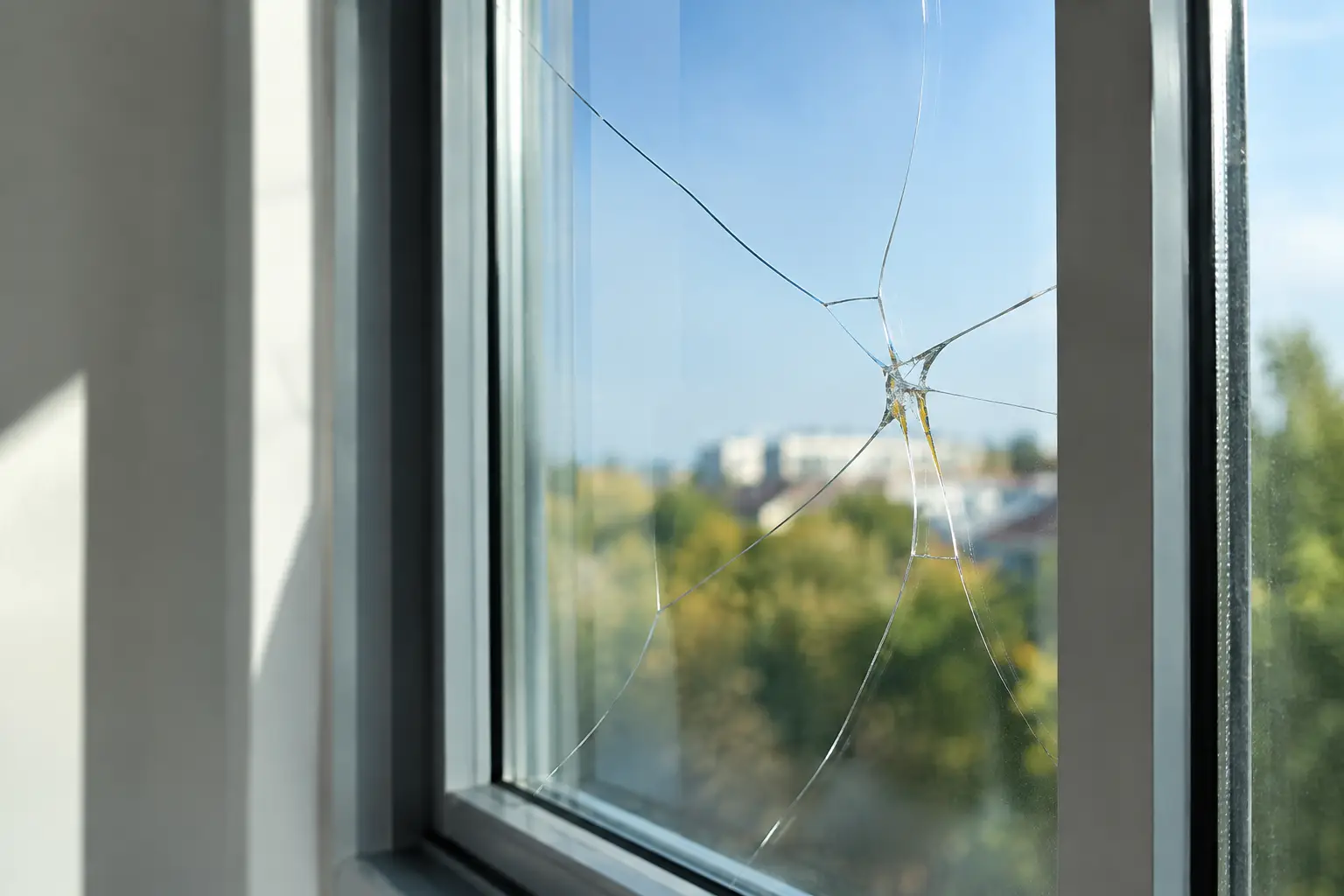
A window can look perfectly secure in the morning and develop a long, clean crack by late afternoon. There may be no storm, no impact, and no obvious reason someone hit the glass. So, what causes thermal glass cracks? Usually, it is an uneven temperature change across the pane that creates stress the glass cannot safely absorb.
Thermal cracking can affect homes, storefronts, patio doors, office windows, and insulated glass units throughout Washington, DC, Maryland, and Virginia. It is especially common where direct sun, air conditioning, shade, window coverings, and seasonal temperature swings all meet on the same piece of glass. Knowing the warning signs helps property owners act before a small crack becomes a security, weather, or safety problem.
What Causes Thermal Glass Cracks?
Glass expands when it gets warm and contracts as it cools. That movement is normal. The problem starts when one section of a pane heats or cools much faster than another section.
For example, the center of a window may receive intense afternoon sunlight while the outer edge stays cool behind a frame, screen, overhang, or shade. The warmer center wants to expand, but the cooler perimeter resists that movement. As stress builds, the glass can crack, often beginning near an edge and traveling inward.
Thermal stress cracks are not always immediate. A window may tolerate repeated heating and cooling for months or years before one particularly hot day, cold snap, or HVAC cycle pushes it past its limit. Existing edge damage, installation pressure, and age can also reduce the amount of stress a pane can handle.
Uneven Sun Exposure
Direct sunlight is one of the most common contributors. South- and west-facing windows often receive the strongest heat buildup, particularly in rooms with limited airflow. Dark window frames, dark blinds, and heat-absorbing nearby surfaces can raise temperatures further.
A partial shadow can be just as significant as full sun. An awning, tree branch, exterior shutter, building projection, or patio umbrella may shade one area while the rest of the glass remains in bright sun. That sharp temperature difference is what creates the risk, not sunlight alone.
Interior Blinds, Curtains, and Furniture
Window treatments improve privacy and comfort, but they can also trap heat against the glass. Tightly closed blinds or blackout curtains can leave a narrow pocket of hot air between the covering and the pane. If the window edge remains cool, the temperature difference can become severe.
Furniture placement matters, too. A sofa, bookcase, or display fixture positioned close to a sun-facing window can limit airflow. Commercial spaces may see similar issues when signs, shelving, merchandise displays, or interior partitions sit directly in front of storefront glass.
This does not mean you should avoid window coverings. It means they should fit and operate correctly, with reasonable air circulation around the glass. The right solution depends on the window type, orientation, glazing, and how the room is used.
Sudden Heating or Cooling
Extreme temperature changes can stress a pane quickly. Running a strong air-conditioning vent directly onto sun-heated glass, using a space heater near a cold window, or applying hot water to frosted exterior glass can create a damaging temperature imbalance.
This is why winter glass care deserves caution. Never try to melt ice or snow from a window with hot water. The glass may be cold and contracted, while the sudden heat expands the surface too fast. Use a gentle, glass-safe approach instead, and avoid directing intense heat at a cold pane.
Edge Damage and Installation Pressure
The strongest area of a glass pane is generally its broad center. Its most vulnerable area is often the edge, where a small chip, nick, or imperfection can become a starting point for a crack. Damage may happen during installation, previous repairs, storm activity, cleaning, or contact with a hard object.
Improper glazing can add pressure as well. If glass is installed too tightly in the frame, has inadequate support, or is held by failing components, normal expansion may be restricted. The result can look like a temperature-related crack even though installation stress helped cause it.
For this reason, replacing the glass alone is not always the full repair. A qualified technician should assess the frame, setting blocks, glazing materials, hardware, and overall fit before recommending the replacement approach.
How to Identify a Thermal Stress Crack
The crack pattern provides useful clues, although only an on-site inspection can confirm the cause. Thermal stress cracks often begin at or near the edge of the glass and move across the pane in a relatively straight or gently curved line. They commonly form at a right angle from the edge before changing direction.
By comparison, impact damage often has a visible point of contact, chip, hole, or starburst pattern. A crack from a settling building, warped sash, or frame pressure may follow a different path and may be paired with signs of window movement or operation problems.
Look for these practical signs:
- The crack begins near the edge rather than from a clear impact point.
- The window receives strong sun or has a nearby source of heat or cold air.
- Blinds, curtains, signs, or furniture create uneven shading or restrict airflow.
- The crack appeared without an accident, break-in, or storm strike.
A cracked insulated glass unit should be addressed promptly. Even when the pane remains in place, the crack can spread as temperatures change. If the glass is part of a door, storefront, low window, or frequently used area, the safety and security concern is more immediate.
Why Insulated Windows Can Still Crack
Double-pane and triple-pane windows improve comfort and energy efficiency, but they are not immune to thermal stress. Each pane can respond differently to sunlight and indoor temperatures. Low-E coatings, tinted glass, and other energy-saving options also manage solar heat in different ways, which makes proper glass selection important.
Insulated glass can develop a separate issue when its perimeter seal fails. Moisture enters the space between panes, creating fogging or visible haze. A foggy window does not automatically mean the glass will crack, and a thermal crack does not necessarily mean the seal has failed. Still, both conditions can affect energy performance, appearance, and long-term window value.
For historic homes and older commercial properties, the answer may require more care. Original frames, storm windows, and specialty glass can have unique expansion and fit requirements. The goal is to preserve the property’s character while restoring safe, dependable performance.
Preventing Heat-Related Glass Damage
No property owner can eliminate every thermal-crack risk, especially during severe weather or periods of intense sun. However, a few habits can lower the odds. Keep blinds and curtains from sealing tightly against sun-exposed glass, avoid blocking window airflow with large items, and do not aim heaters or high-powered HVAC vents directly at the pane.
If you are planning tint, film, replacement glass, new shades, or a storefront display, consider the effect on heat absorption before installation. Some aftermarket films can increase thermal stress, particularly on certain insulated or coated glass products. A glass professional can help match the glazing system to the window’s location and intended use.
Routine maintenance also matters. Loose frames, deteriorated glazing, failing seals, and hard-to-operate windows should not be ignored. Early service can correct pressure points before seasonal weather adds more stress.
When to Schedule Glass Repair
Do not wait for a small crack to become a complete break. Schedule an evaluation when you notice a new crack, visible edge damage, fogging between panes, loose glass, or a window that suddenly binds in its frame. For businesses, prompt storefront repair protects customers, employees, inventory, and the professional appearance of the property.
If glass has broken or the opening is exposed, treat it as an urgent security issue. Keep people away from the area, avoid touching loose shards, and arrange emergency board-up or replacement service as soon as possible. DMV Window Specialist provides responsive glass repair and replacement for residential and commercial properties across the DMV, including urgent situations that cannot wait.
A cracked pane is rarely just a cosmetic problem. Getting the cause checked and the glass repaired quickly can restore comfort, security, and confidence before the next hot afternoon or cold night puts more pressure on the window.
