

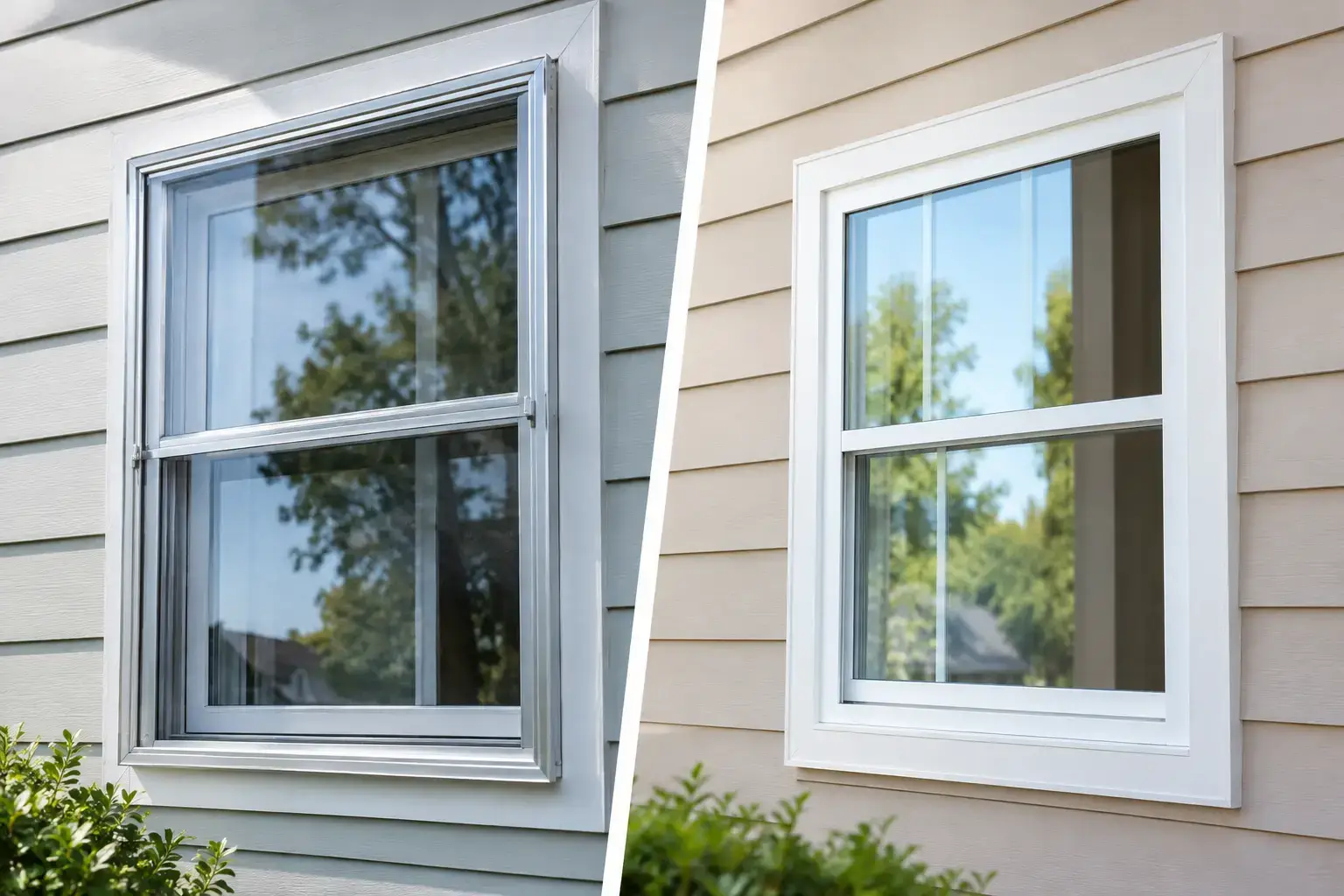
A drafty dining room, rattling sash, or rising utility bill can make the decision feel urgent. But storm windows versus replacement windows is not a simple choice between an inexpensive temporary fix and a major upgrade. The right answer depends on the condition of your existing windows, the character of the building, your comfort goals, and how long you plan to own or manage the property.
For homes and commercial properties across Washington, DC, Maryland, and Virginia, both options can reduce drafts, improve comfort, and help protect interior spaces. The key is identifying whether the original window still has useful life left or whether it has reached the point where replacement is the smarter investment.
Storm Windows Versus Replacement Windows: The Main Difference
Storm windows are secondary window panels installed on the exterior or interior side of an existing window. They add an extra layer of glass or acrylic, creating an insulating air space that helps reduce heat transfer and outside noise. Exterior storm windows are common on older homes, while interior panels can be a practical choice for preserving historic exterior details.
Replacement windows take the place of the existing window unit or its sash, depending on the installation method. They typically include insulated glass units with two or three panes, weatherstripping, improved locks, and modern frames. A full-frame replacement may also address damaged frames, water intrusion, and hidden structural issues around the opening.
Storm windows work with the windows you already have. Replacement windows start over with a new window system. That distinction affects cost, appearance, maintenance, and long-term performance.
When Storm Windows Make the Most Sense
Storm windows are often the best choice when existing wood windows are structurally sound but no longer seal tightly. Many older windows in the DMV have quality wood frames and sashes that can last for decades with proper repair. Replacing them solely because they are drafty may not be necessary.
A properly fitted storm window can reduce air movement around the primary window, improve comfort near the glass, and provide an added barrier against rain, wind, and seasonal temperature swings. They can also help reduce street noise, a meaningful benefit for properties near busy corridors, rail lines, or active commercial areas.
Storm windows are especially worth considering in these situations:
- The home has historic or architecturally significant wood windows.
- The original sashes operate well or can be repaired with new hardware, glazing, or weatherstripping.
- The main concern is drafts, comfort, or modest energy improvement rather than severe window damage.
- A property owner wants to improve performance while preserving the original look of the building.
For historic properties, this route can be particularly valuable. Original divided-light windows, curved glass, stained glass, and custom millwork are difficult and expensive to replicate accurately. In some neighborhoods or designated historic districts, exterior changes may also require review. A low-profile storm window can protect the original window while keeping its character visible.
There are trade-offs. Storm windows add another component to maintain, and lower-quality units can trap moisture if they are not vented or installed correctly. Exterior panels may need seasonal cleaning, and some styles can make window operation less convenient. The visual result also depends heavily on sizing, color matching, and installation quality.
When Replacement Windows Are the Better Investment
Replacement is usually the stronger option when the existing window has problems that a storm panel cannot solve. Rotting wood, bent frames, failed seals, persistent water leaks, damaged tracks, and windows that will not lock securely are signs that the complete unit may need more than an extra layer of protection.
Modern replacement windows can offer noticeable improvements in air sealing, ease of operation, security, and glass performance. For a property with numerous failing windows, installing matched replacement units may also create a more consistent appearance and reduce ongoing repair calls.
Consider replacement when frames or sashes show significant deterioration, when water has damaged surrounding materials, or when windows are difficult to open during an emergency. Replacement may also be appropriate for rental properties where dependable locks, smooth operation, and reduced maintenance are priorities.
The installation method matters. Insert replacement windows fit inside an existing frame, which can reduce disruption when that frame is still sound. Full-frame replacement removes the entire window assembly and allows the installer to inspect the opening, address rot, and install new flashing and insulation. A lower initial quote is not always the better value if it skips needed repairs around the window opening.
Replacement windows do come with a higher upfront cost than adding storm panels. They can also alter sightlines, reduce glass area, or change the appearance of an older facade if the product is not selected carefully. For homes with distinctive original windows, replacing every opening may sacrifice features that cannot be easily restored.
Energy Savings: Look Beyond the Sales Claim
Both choices can improve energy performance, but neither produces the same result in every property. A storm window helps by reducing drafts and adding insulating space. A modern replacement window combines insulated glass, coatings, spacers, and weatherstripping in one system. Which performs better on paper is only part of the decision.
Actual comfort depends on installation. Gaps around a replacement frame, poor flashing, or unaddressed wall leaks can limit the benefit of a new unit. Likewise, a storm window that does not fit properly will not perform as intended. Careful measuring, sound materials, and professional installation matter as much as the product selection.
If your insulated glass is foggy but the frame is in good condition, there may be a third option: insulated-glass repair. Replacing a failed glass unit can restore clarity and improve performance without replacing the entire window. This is often a practical way to solve condensation between panes when the sash and frame are otherwise serviceable.
Cost, Maintenance, and Property Goals
Storm windows generally cost less per opening and can extend the useful life of existing windows. That makes them appealing for owners who need meaningful improvements without taking on a full replacement project. They also allow repairs to be completed in stages, which can help landlords and property managers plan around budgets and tenant schedules.
Replacement windows cost more upfront but may reduce recurring repair needs when the current windows are badly worn. They can be easier to clean and operate, and new locking systems can improve day-to-day security. For a retail storefront, office, or multifamily property, reliable operation may be as important as energy savings.
Think about the property timeline as well. If you are preserving a longtime family home or managing a historic building, repairing original windows and adding storms may protect both value and character. If you are preparing a severely deteriorated property for sale, renovation, or new tenants, replacement may provide a cleaner long-term solution.
How to Make the Right Call Before Scheduling Work
Start with a close look at each window rather than assuming every opening needs the same treatment. Check for soft or rotted wood, water staining, cracked glass, failed seals, loose putty, damaged hardware, and drafts around the frame. Open and lock the window. If it sticks, will not stay open, or cannot secure properly, identify whether the issue is repairable.
A professional on-site evaluation should separate glass problems from frame problems and repairable wear from replacement-level damage. DMV Window Specialist can assess window glass, hardware, seals, frames, and storm-window options so you can compare a repair-focused approach with replacement based on the actual condition of the property.
If a window is broken after a storm, accident, or break-in, secure the opening first. Emergency board-up and glass replacement protect the property while you decide whether the permanent solution should be a repaired original window, a storm window, or a full replacement.
The best choice is the one that solves the real problem without discarding useful materials or postponing needed repairs. A clear assessment now can keep a small draft from becoming a larger water, security, or comfort issue later.
