

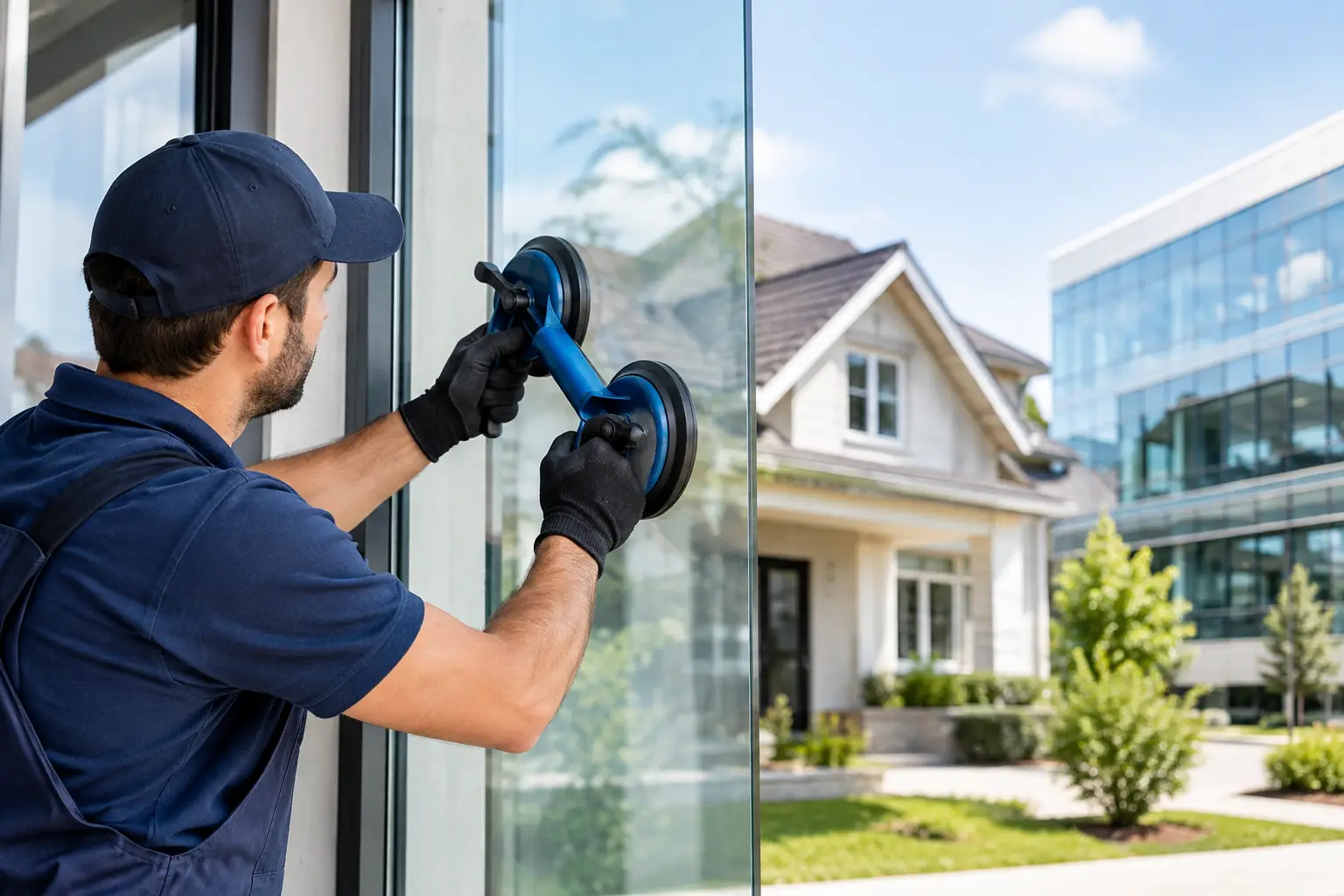
A shattered storefront panel after a break-in, a cracked patio door from storm debris, or a bedroom window broken by a fallen branch creates the same immediate problem: your property is exposed. Glass repair insurance may help pay for the damage, but coverage depends on what caused the break, the policy you carry, and the deductible you must pay first. The fastest priority is always safety and security. Once the opening is protected, you can document the loss and make informed decisions about the repair.
For homeowners, landlords, retailers, and office operators across Washington, DC, Maryland, and Virginia, knowing how insurance handles damaged glass can prevent expensive delays. It also helps you avoid putting off a repair that leaves your property vulnerable to weather, injury, theft, and energy loss.
What Glass Repair Insurance May Cover
Most property insurance policies cover sudden, accidental damage caused by a listed event. For a home, that can include wind, hail, falling trees or branches, vandalism, fire, and certain types of water damage. A commercial property policy may cover many of the same events, along with damage from a break-in or vehicle impact. If someone throws an object through your storefront glass or severe weather breaks a window, there is a reasonable chance the loss falls under your policy.
Coverage is not automatic, and the cause matters. A policy may pay to replace broken window glass, a damaged insulated glass unit, or a shattered entry door lite when the damage results from a covered event. It may also cover emergency board-up services when they are necessary to prevent additional damage or secure the building.
However, insurance commonly excludes gradual deterioration. A foggy double-pane window with a failed seal is usually a maintenance issue, not a sudden loss. The same is often true of scratches, chipped edges that developed over time, worn window hardware, and leaks caused by aging frames or poor maintenance. These repairs can still make sense because they improve comfort, appearance, and energy performance, but they are not typically insurance claims.
Vehicle glass is handled differently. If a car window or windshield is damaged, that claim usually goes through an auto insurance policy rather than homeowners or commercial property insurance.
Your Deductible Can Change the Decision
Even when damage is covered, filing a claim may not be the best financial move. Your deductible is the amount you pay before insurance contributes. If a small window repair costs less than or close to your deductible, paying directly may be simpler than opening a claim.
Consider a residential policy with a $1,500 deductible. If a single broken window costs $650 to repair, the policy may provide no payment. If wind damage breaks several windows and a patio door, the total may exceed the deductible by enough to make a claim worthwhile. Commercial policies can have different deductibles for wind, theft, or other events, so review the declarations page or call your insurer for clarification.
There is also a practical middle ground. You can request a professional assessment and written estimate before deciding whether to file. That gives you a clear picture of the immediate repair cost, whether temporary protection is needed, and whether replacement is necessary for safety or code requirements.
Common Glass Damage Scenarios
A storm-damaged window is generally easier to connect to a covered event than a window that has slowly become cloudy between the panes. A broken storefront after forced entry is often a strong commercial claim, especially when a police report documents the incident. Glass damaged by a contractor, delivery vehicle, or another party may involve that party’s liability insurance instead of your own policy.
Damage from a tenant or guest can be more complicated. A landlord’s property policy may cover physical damage to the building, subject to policy terms and deductibles, while the tenant could be responsible for the cost under the lease. Do not assume the insurance company will resolve liability for you. Keep photos, messages, inspection notes, and any incident report.
For commercial properties, the policy may also address related losses, such as damage to a door closer, lock, frame, or interior property. Coverage varies widely. A broken glass panel is only part of the problem if the entrance no longer locks or the storefront cannot be secured overnight.
What to Do After Glass Breaks
The first few hours after glass damage can affect both safety and the claim process. Take practical action without waiting for an adjuster when the opening creates a hazard or allows access to the property.
- Keep people away from loose glass. Do not handle large shards, unstable door glass, or overhead glass without proper protection.
- Take clear photos and video before cleanup if it is safe to do so. Capture the broken glass, the full window or door, the surrounding area, and any likely cause such as a fallen branch or signs of forced entry.
- Secure the opening. Temporary board-up can protect the interior from rain, wind, unauthorized entry, and additional damage while replacement glass is ordered.
- Save receipts, invoices, and damaged parts when practical. Insurers may request proof of emergency work and repair costs.
- Contact your insurer or agent promptly. Provide the facts, ask about your deductible, and confirm whether the carrier requires an inspection before permanent work begins.
Emergency protection should not be delayed simply because you are waiting for a claim decision. Most policies expect property owners to take reasonable steps to prevent further damage. A professionally installed board-up is often the right response for a broken storefront, ground-level window, or damaged exterior door.
Repair or Replacement: The Right Scope Matters
A repair estimate should identify what actually failed. In some cases, only the glass needs replacement. For example, a broken pane in an otherwise sound window frame may be repaired with a new insulated glass unit. This can preserve the existing frame and reduce cost.
In other cases, replacement is the safer option. A warped frame, damaged sash, broken locking system, or failed commercial door hardware can prevent the window or door from functioning correctly even after new glass is installed. For storefronts, the replacement glass may need to match thickness, tint, safety-glass requirements, or security needs. Using the wrong material can create a code issue or leave the entrance more vulnerable than before.
You may also decide to upgrade while the repair is underway. Energy-efficient insulated glass, laminated security glass, tempered safety glass, or improved door hardware can add value. Insurance generally pays for comparable restoration, not elective upgrades, but you can often pay the difference if an upgrade makes sense for your property.
Glass Repair Insurance for Property Managers
Property managers need a process that works after hours, across multiple locations, and with clear records for owners and insurers. A broken apartment window can become a habitability concern. A damaged retail entrance can interrupt business operations and create a security risk. Fast dispatch, a secure temporary closure, and a detailed invoice help reduce disruption.
Keep a current list of unit numbers, tenant contacts, approved repair limits, and insurance claim contacts. If a property has specialty glazing, historic windows, oversized panels, or custom storefront systems, maintain prior repair records and photographs. Those details help a glass professional match materials and help the insurer understand the scope of work.
For recurring issues, such as repeated vandalism or accidental impacts near a loading area, consider whether stronger glazing, protective barriers, or changes to access control would reduce future losses. The cheapest repair is not always the lowest long-term cost.
Get a Clear Assessment Before You Commit
When glass breaks, the goal is not to turn a straightforward repair into an insurance project. The goal is to make the property safe, secure, and functional as quickly as possible. A qualified local glass contractor can assess the opening, provide emergency board-up when needed, explain whether glass-only repair is possible, and prepare documentation that supports your next conversation with the insurer.
DMV Window Specialist helps residential and commercial property owners restore broken windows, patio doors, storefronts, and entry systems with prompt, professional service. Whether the damage becomes an insurance claim or an out-of-pocket repair, clear documentation and a properly secured opening put you in a better position to move forward with confidence.
