

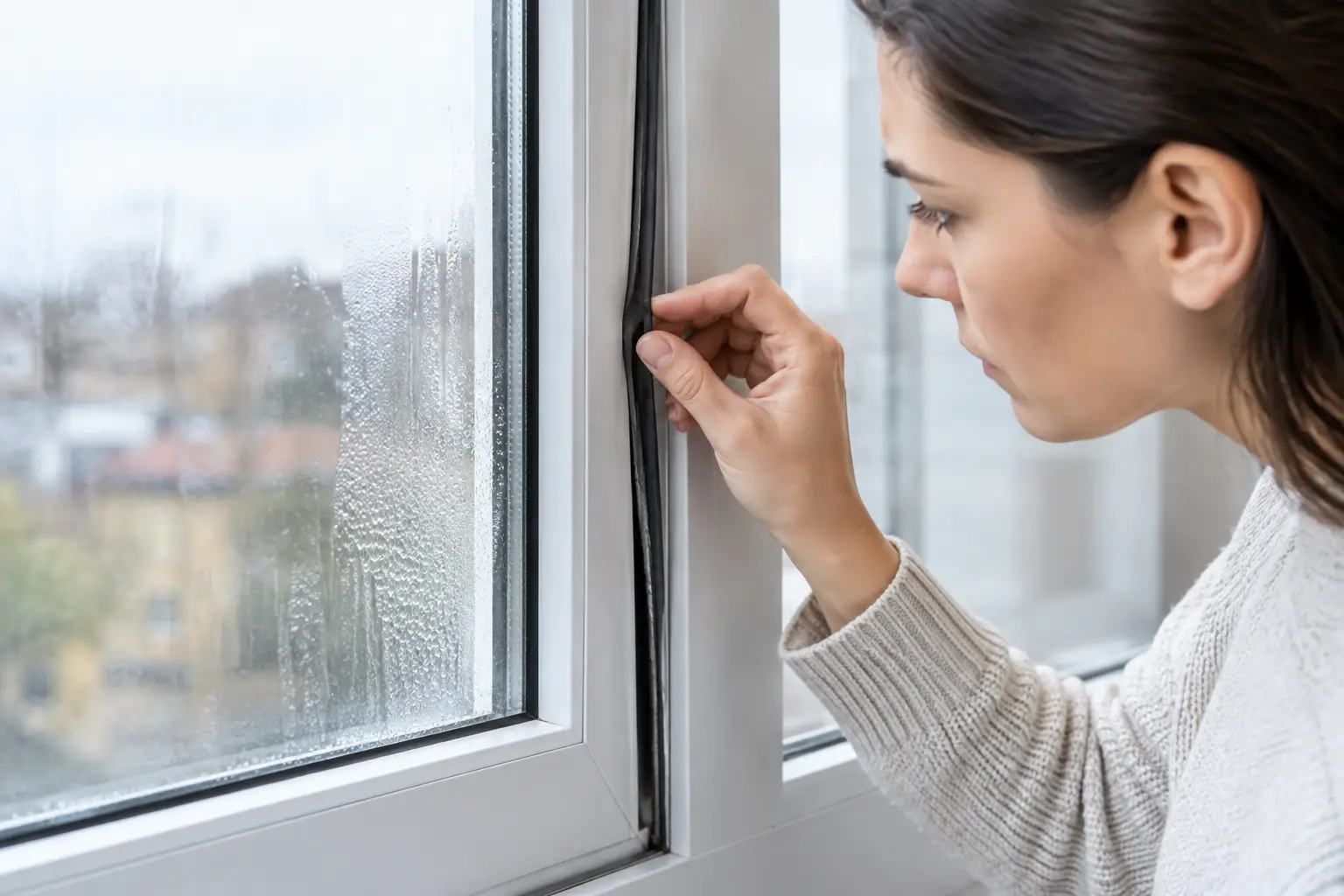
A clear window can turn cloudy without a crack, a storm, or any obvious damage. That is often the first of the top signs window seals fail. For homeowners and property managers across DC, Maryland, and Virginia, a failed seal can mean lost comfort, reduced efficiency, and glass that makes an otherwise well-kept property look neglected.
Most modern windows use insulated glass units, often called double-pane or triple-pane glass. These units have two or more panes separated by a sealed airspace. That space is designed to limit heat transfer and may contain insulating gas. When the perimeter seal breaks down, moisture and outside air can enter between the panes. The glass may still be intact, but it is no longer performing as it should.
The Top Signs Window Seals Fail
Fog or haze trapped between the glass panes
Fogging between panes is the clearest sign of a failed insulated-glass seal. Unlike ordinary condensation, this haze cannot be wiped away from the inside or outside surface of the window. It may appear as a light mist in the morning, then fade as temperatures change, or remain visible all day.
At first, the cloudiness may only show up around the edge of the glass. Over time, it can spread across the entire pane and reduce natural light, views, and curb appeal. On storefronts, office windows, patio doors, and prominent home windows, this can make the property look older than it is.
Mineral streaks or spots inside the unit
Once moisture enters an insulated glass unit, it can leave deposits behind. You may see white marks, streaks, or a dirty-looking film that does not respond to normal cleaning. These marks are inside the sealed space, so no amount of glass cleaner will remove them.
This is a practical distinction. Surface dirt is a cleaning issue. Staining trapped between panes is usually a seal failure issue and calls for a professional glass inspection.
Condensation that keeps returning between panes
Condensation on the room-facing side of a window can be caused by high indoor humidity. Condensation on the exterior surface can happen when an efficient window keeps the outside pane cool. Neither condition automatically means the seal has failed.
Condensation between the panes is different. It indicates that the insulated barrier has been compromised. If it appears repeatedly, even after dry weather returns, schedule an evaluation before visibility and insulation decline further.
Rooms that feel draftier or harder to keep comfortable
A failed seal does not always create a noticeable air leak into the room. The window frame and weatherstripping may still be intact. However, the loss of the insulated airspace can make the glass surface colder in winter and warmer in summer.
You may notice that a room near large windows feels uncomfortable even when the thermostat is set correctly. A sunny room may overheat during the afternoon, while a bedroom with affected windows may feel chilly overnight. Rising energy bills can be part of the picture, but they are not proof by themselves. HVAC performance, insulation, and weatherstripping also matter.
A distorted or wavy appearance in the glass
Failed seals can eventually affect how the glass looks. Reflections may seem slightly warped, or the window may develop a dull, uneven appearance. This is especially noticeable on patio doors, picture windows, and storefront glass where there is a broad, clear view.
Distortion can also result from glass damage, improper installation, or certain glass types, so it is worth having a technician identify the cause before deciding on repair or replacement.
Visible damage around the window’s edge
Look closely at the perimeter where the glass meets the sash. Cracked glazing material, separated seals, discoloration, or moisture at the edge can point to a failing insulated unit. Windows exposed to strong sun, repeated temperature swings, wind-driven rain, or aging caulk often experience more stress at these edges.
In the DMV region, seasonal humidity and winter temperature changes can reveal a problem that was not obvious earlier in the year. Older windows are more likely to develop seal issues, but newer units can fail because of manufacturing defects, impact damage, or installation problems.
Why Window Seals Fail
Window seals are built to last, not to last forever. The glass and frame expand and contract at different rates as temperatures change. Over years of use, that movement can weaken the perimeter seal. Direct sunlight, poor drainage, age, and pressure changes can speed up the process.
A broken pane or a damaged frame can also lead to seal failure. So can aggressive pressure washing, improper repairs, or a patio door that has shifted and no longer closes squarely. The important point is that fogged glass is not always a reason to replace the entire window.
Do You Need Glass Repair or a New Window?
The right solution depends on the condition of the full window system. If the frame is sound, the sash operates properly, and the only issue is fogging inside the insulated glass, replacing the insulated glass unit is often the practical choice. It restores clarity and insulation without the cost and disruption of replacing the entire window.
Full window replacement makes more sense when the frame is rotted, warped, severely leaking, difficult to operate, or outdated enough that several components are failing. A window with broken locks, damaged tracks, deteriorated weatherstripping, and failed glass may be better addressed as a complete replacement.
For commercial properties, the decision can be more urgent. Fogged glass at an entry, office partition, or storefront can hurt presentation, but cracked or loosened glass may also create a safety concern. A professional assessment should consider glass type, security needs, door operation, code requirements, and the availability of a matching replacement unit.
What to Do When You Notice a Failed Seal
Do not rely on drilling holes in the glass, wiping moisture through a vent, or applying a surface treatment as a permanent fix. Those approaches may temporarily improve appearance in limited situations, but they do not rebuild the original insulated seal or restore the unit’s intended performance.
Instead, take a few clear photos from inside and outside, noting whether the haze is definitely between the panes. Check nearby windows as well. If multiple units show the same issue, age or exposure may be affecting a larger section of the property.
Then arrange an on-site inspection. A qualified glazing professional can measure the unit, identify the glass configuration, check the frame and sash, and explain whether targeted insulated-glass replacement or full window replacement is the better value. Accurate measuring matters, particularly for tempered patio door glass, oversized units, historical windows, and commercial glazing.
When a Failed Seal Becomes More Than an Appearance Problem
A failed seal usually does not require an emergency response on its own. But immediate service is needed if the glass is cracked, shattered, loose, or creating an unsecured opening. That is particularly important after a break-in, impact, or severe weather event.
For routine fogging, acting sooner still has advantages. Clear glass improves the appearance of a home, rental unit, retail space, or office. Restoring the insulated unit can also improve comfort near the window and help prevent a minor glass issue from being overlooked while other window components deteriorate.
DMV Window Specialist helps property owners identify the cause of fogged insulated glass and choose a clear, practical repair path. A timely inspection gives you the information to protect comfort, appearance, and energy performance without paying for more work than the window actually needs.
