

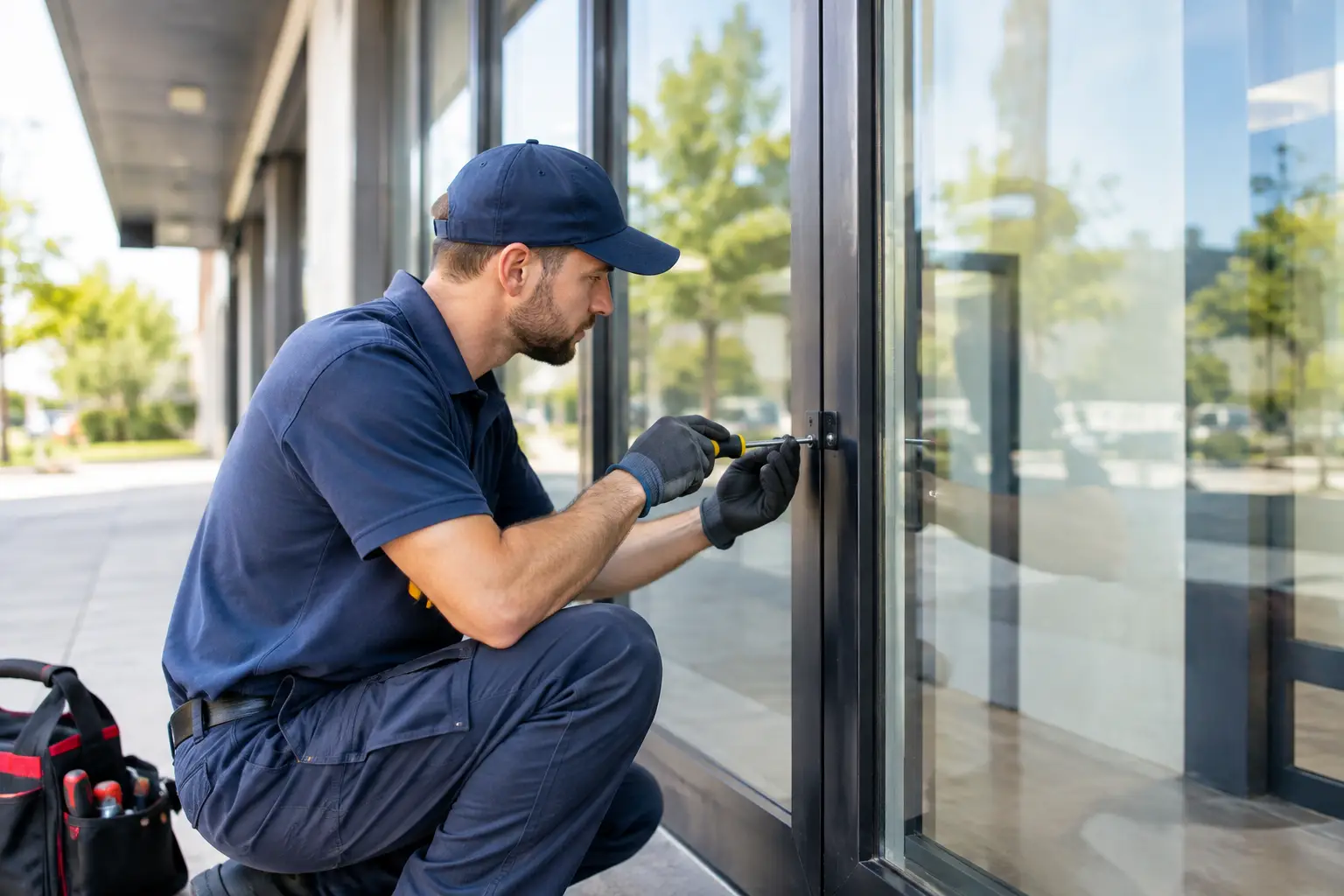
A cracked storefront pane can change the way customers see your business before they ever walk through the door. It can also create an immediate safety and security issue for staff, visitors, inventory, and the building itself. Storefront repair specialists help businesses move quickly from exposed and unsafe to secure, presentable, and ready to operate.
For retailers, restaurants, offices, medical practices, and commercial property managers across Washington, DC, Maryland, and Virginia, storefront damage is rarely convenient. It may happen after a break-in, a delivery accident, severe weather, vandalism, or a door that has simply worn down over time. The right response depends on the damage, the type of glass, and whether the opening can be secured safely until permanent replacement materials arrive.
What Storefront Repair Specialists Handle
Storefront systems are more than a sheet of glass in an aluminum frame. They often include tempered or laminated safety glass, insulated units, commercial door glass, metal framing, closers, pivots, locks, panic hardware, and weather seals. A problem with any one of these components can affect security, accessibility, energy efficiency, and the customer experience.
Professional storefront repair may involve replacing a shattered glass panel, repairing a cracked sidelাইট, resetting glass that has shifted in its frame, or replacing a fogged insulated glass unit. It can also include commercial door repairs when a door drags, will not latch, slams shut, leaks air, or no longer aligns with the frame.
The priority is not always a full replacement. If the frame is in good condition and the damage is limited to one panel, replacing the affected glass may be the most practical and cost-conscious route. If repeated problems point to worn hardware, poor alignment, or an aging storefront system, a more complete repair plan may prevent future service calls.
When Storefront Damage Requires Immediate Action
Broken glass is the most obvious reason to request emergency service, but it is not the only one. An unsecured entrance can put your business at risk even if the glass is still intact. A door that will not lock, a loose glass panel, or a damaged frame after an impact deserves prompt professional attention.
Emergency storefront service is especially appropriate after a break-in, vehicle impact, storm damage, or vandalism. In those situations, the first goal is to eliminate sharp-glass hazards and secure the opening. Emergency board-up protects the property from weather, trespassing, and additional damage while replacement glass is measured, ordered, and installed.
A board-up is not the finished repair, but it is a smart temporary measure when the correct glass is unavailable after hours or requires custom fabrication. A dependable contractor will explain what can be completed immediately, what materials are needed next, and what the permanent repair is expected to involve.
Do not wait for normal business hours if the damage leaves an opening exposed, creates a risk of injury, or prevents the door from locking. Fast action can reduce loss, help protect evidence after a break-in, and give employees confidence that the property is being handled responsibly.
Choosing the Right Glass for Your Business
Not every storefront uses the same glass, and selecting the wrong replacement can create compliance, safety, or performance problems. Glass near doors and in high-traffic locations commonly needs safety glazing, such as tempered or laminated glass. Tempered glass is designed to break into small pieces rather than dangerous shards. Laminated glass holds together when broken, which can provide added protection against forced entry and flying debris.
For some businesses, standard clear safety glass is the right fit. It keeps the storefront bright, visible, and economical to repair. Other properties may benefit from insulated glass to help reduce heat gain, heat loss, and street noise. This can be valuable for offices, restaurants, salons, and retail spaces where comfort near the front windows affects customers and staff.
Security glass may be worth considering for locations with recurring break-ins or high-value merchandise. It is not a guarantee against every impact, but it can make forced entry more difficult and may hold the opening together longer than standard glass. The trade-off is cost, weight, and sometimes longer lead times. A technician should assess the existing frame and explain which options are compatible with the storefront system.
Appearance matters as well. Tinted, low-emissivity, frosted, patterned, or decorative glass can support privacy, branding, and energy performance. When only one panel needs replacement, matching the existing glass as closely as possible is usually the best way to preserve a consistent look from the street.
Do Not Overlook Commercial Doors and Hardware
A storefront door gets used hundreds of times a day in busy locations. Small alignment issues can turn into a major problem quickly. A dragging door can wear down thresholds and pivots. A door that does not close fully can compromise security and allow conditioned air to escape. A failed closer can cause the door to slam, creating a safety concern for customers and employees.
Commercial door repair may include adjustment or replacement of pivots, hinges, closers, handles, locks, panic bars, weatherstripping, thresholds, and aluminum framing components. These repairs are often less disruptive and less expensive than replacing the complete door assembly, particularly when addressed before the damage spreads.
Property managers should also pay attention to recurring complaints. If tenants regularly report a door that sticks, leaks during rain, or will not lock reliably, document the issue and schedule an inspection. Repeated quick fixes without identifying the source can lead to avoidable downtime and higher long-term costs.
A Clear Repair Process Saves Time
A strong storefront repair experience starts with accurate assessment. A technician should examine the glass type, panel dimensions, frame condition, door operation, hardware, and immediate safety risks. Photos can help begin the conversation, but on-site measurements are often necessary for a proper quote and correct replacement glass.
For emergency calls, the process usually begins with securing the property. Loose or broken materials are removed safely, the area is protected, and the opening is boarded or temporarily secured if needed. The permanent replacement is then measured and scheduled based on the glass type and availability.
For non-emergency repairs, the focus is on finding the most efficient solution. That may mean replacing one glass panel, repairing door hardware, installing a new insulated unit, or addressing a frame issue before it causes more damage. Clear communication matters here. Business owners should know what is being repaired, why it is recommended, and whether the work requires any temporary closure or access restrictions.
At DMV Window Specialist, technicians work with commercial property owners and managers throughout the DMV area to handle both urgent storefront damage and planned repairs. The goal is straightforward: secure the opening, complete quality work, and help the business return to normal as quickly as possible.
Preventing the Next Storefront Problem
Not all storefront failures can be prevented, especially when accidents or crime are involved. Routine attention can still reduce many avoidable repairs. Check doors for scraping, delayed closing, loose handles, failed locks, and gaps around the perimeter. Look at storefront glass for chips around edges, cracks, cloudiness between panes, and movement within the frame.
Keep door tracks, thresholds, and drain paths clear of dirt and debris. Water that cannot drain properly can contribute to leaks, corrosion, and premature wear. If you notice air coming through the entry, condensation between glass panes, or increased street noise, ask for an inspection before the issue becomes more disruptive.
After a repair, keep records of the glass type, door hardware, and service performed. This is useful for property managers with multiple locations and can speed up future repairs when a technician needs to match existing components.
A storefront should invite customers in while protecting everything behind it. If your glass, doors, or hardware are compromised, address the issue early. A prompt inspection can keep a small repair from becoming an after-hours emergency and help your business stay secure, professional, and open for the people who depend on it.
