

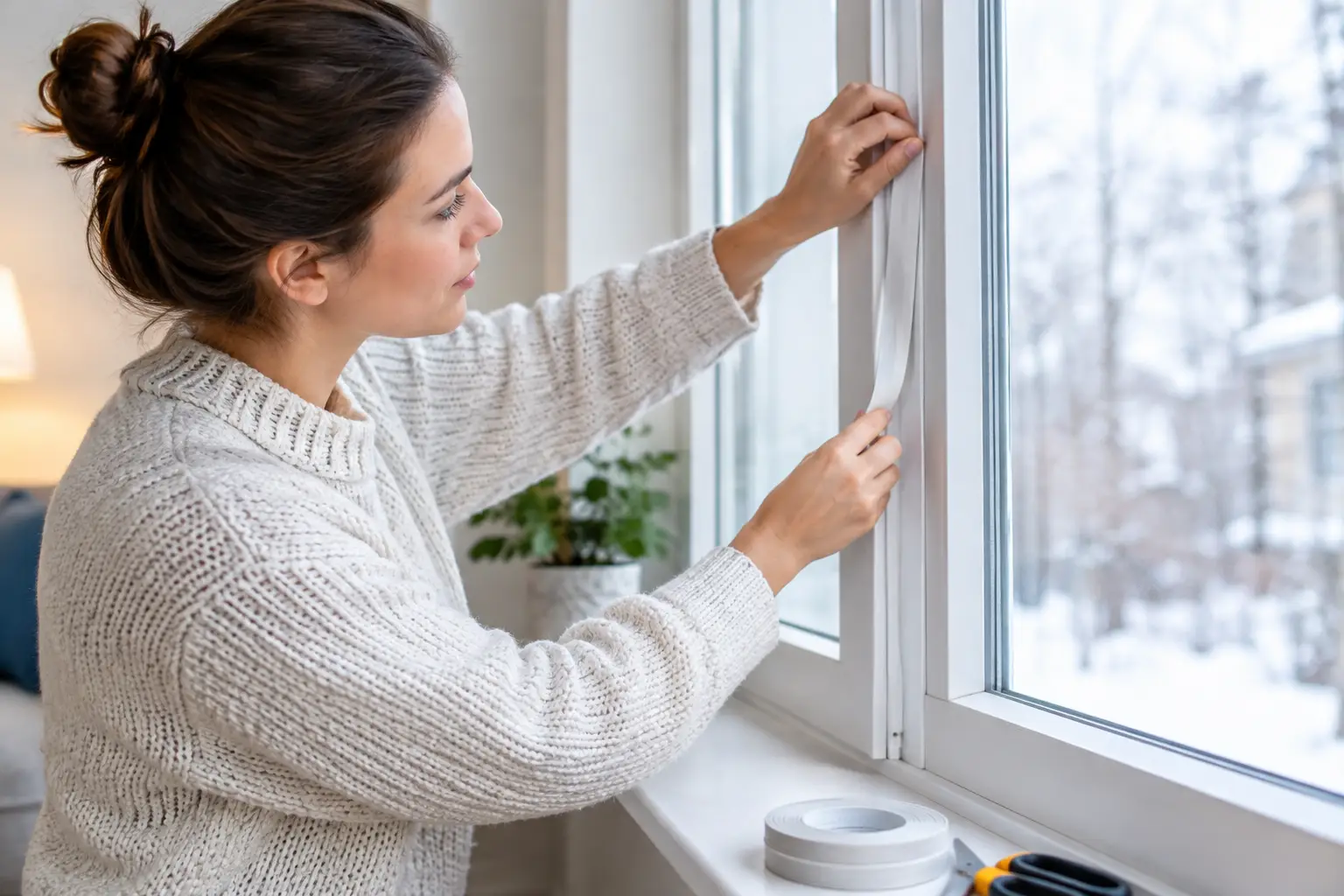
A cold strip of air around a window can make one room uncomfortable, force the thermostat higher, and signal a repair issue that will worsen with time. Knowing how to fix drafty windows starts with identifying where the air is entering. The right repair may be as simple as replacing worn weatherstripping, or it may require professional attention to damaged hardware, failed seals, or a window that no longer closes squarely.
For homeowners, landlords, and property managers in Washington, DC, Maryland, and Virginia, drafty windows are especially common in older properties and during rapid temperature swings. Addressing them early can improve comfort, reduce unnecessary energy loss, and help protect the window from more extensive damage.
Find the Source of the Draft Before You Repair It
Do not assume every draft is coming through the glass itself. Air often enters around the sash, the moving part of the window, or through gaps between the frame and interior trim. A window can look fine from across the room while its seals or locking hardware are no longer doing their job.
Start on a windy day. Slowly move your hand around the edges of the closed window, especially near the locks, meeting rails, corners, and lower sill. You may feel a change in air temperature or a noticeable stream of air. A thin piece of tissue can also help reveal movement near a gap.
Next, inspect the condition of the window. Look for cracked or missing caulk, flattened weatherstripping, torn screens, loose interior trim, and damaged exterior glazing. If the sash rattles, will not lock tightly, or has visible gaps when closed, the problem is usually more than a small caulk repair.
Condensation can offer another clue. Light condensation during very cold weather may be normal, particularly in humid rooms. But moisture between double-pane glass indicates a failed insulated-glass seal. That failure affects insulation performance and cannot be corrected by adding caulk around the frame.
How to Fix Drafty Windows With Simple Repairs
Once you know where the air is entering, use the least invasive repair that solves the problem. Temporary measures can provide relief during a cold spell, but durable repairs are the better choice when the draft is recurring or the window is difficult to operate.
Replace worn weatherstripping
Weatherstripping creates a seal where a window sash meets the frame. Over time, foam compresses, vinyl cracks, felt wears down, and adhesive strips pull away. Remove the old material completely, clean the contact surface, and install a new strip designed for your window style.
Choose weatherstripping carefully. Foam tape is easy to apply and works well for small, consistent gaps, but it may wear faster on frequently opened windows. V-strip weatherstripping is a stronger choice for many double-hung and sliding windows because it springs back into place as the window closes. Do not use a material so thick that the sash cannot close or lock properly.
Re-caulk stationary gaps around the frame
Caulk is for fixed gaps, not moving window joints. Inspect the interior perimeter where the window frame meets the wall or trim. If old caulk is brittle, separated, or missing, remove the loose material and apply a paintable interior-grade caulk in a continuous bead.
Exterior caulk should also be checked, but use the correct product and avoid blocking drainage paths in the window frame. Many modern windows have weep holes that allow moisture to escape. Sealing those openings can trap water, leading to rot, corrosion, or leaks around the window.
Adjust locks, latches, and hardware
A lock does more than secure the window. On many styles, it pulls the sash snugly against the weatherstripping. If a latch is loose, misaligned, or broken, the window may close but still allow air through the meeting rail.
Tighten accessible screws first. If the sash does not line up with the lock, the window may be out of square, have worn pivot hardware, or have a frame issue. Forcing a warped or stuck window can crack glass or damage the sash, so this is a good point to bring in a window repair professional.
Add a temporary interior window film kit
Clear shrink-film kits can help reduce drafts during winter, particularly in older homes where a larger repair must wait. The film creates an insulating air pocket over the entire interior opening. It is affordable and can make a noticeable difference in a rarely opened window.
This is not a repair for a failed seal, damaged frame, or rotted sash. It also prevents normal use of the window until removed. Use it as a seasonal measure, not a substitute for correcting a persistent problem.
When a Draft Points to a Larger Window Problem
Some drafty windows need more than weatherstripping. If the glass is foggy between panes, the insulated unit has lost its seal and its gas fill, if present, no longer provides the intended energy performance. In many cases, the glass unit can be replaced without replacing the entire window.
Wood windows may develop drafts because the sash or frame has deteriorated from moisture exposure. Peeling paint, soft wood, black staining, or visible separation at joints needs prompt attention. Historical homes often require a more careful approach that preserves original profiles while restoring proper fit, glazing, and storm protection.
A draft can also come from a patio door. Sliding glass doors commonly lose efficiency when rollers are worn, the panel is out of alignment, or the pile weatherstripping has flattened. Because doors are larger and used more often than windows, small gaps can produce a major comfort issue near living rooms, offices, and storefront entries.
For commercial properties, drafts around storefront glass and aluminum entrance doors can affect employee comfort, customer experience, and energy costs. Loose door sweeps, damaged closers, worn thresholds, and failed perimeter seals should be evaluated together. Fixing only one component may not stop the air leak.
Repairs to Avoid
Do not cover exterior weep holes with caulk, tape, or foam. Those openings are designed to manage water. Also avoid injecting expanding spray foam into small, unknown gaps around a window frame. Too much foam can bow the frame, interfere with operation, and make a professional repair more difficult.
Putting caulk between a sash and its frame is another common mistake. It may stop a draft briefly, but it can effectively glue the window shut and tear away paint or weatherstripping when opened. A window that cannot open also creates a safety concern, particularly in bedrooms that may require an emergency exit.
If glass is cracked, a sash is loose, or a window will not close securely, skip the DIY patch. Broken or unstable glass needs safe handling and prompt professional repair, especially in ground-level rooms, rental properties, and commercial spaces.
Know When to Schedule Professional Window Repair
Call for an on-site assessment when a draft continues after basic weatherstripping and caulk repairs, when the window will not lock, or when you see fogging between panes. Professional service is also the practical choice for large windows, insulated-glass replacement, damaged frames, historic windows, patio doors, and commercial glazing.
A trained technician can determine whether the issue is the glass, sash, frame, hardware, installation, or surrounding wall opening. That distinction matters. Replacing an entire window when only the glass or hardware has failed can cost more than necessary, while repeated temporary fixes can delay a repair that protects comfort and security.
DMV Window Specialist provides window repair, insulated-glass replacement, hardware service, storm window solutions, and door glass repairs across the DC, Maryland, and Virginia area. For broken glass or a window that leaves a property exposed, fast emergency service and secure board-up can help protect the space while permanent repairs are arranged.
A draft does not have to become a winter-long problem. Check the seals, make small repairs where they fit, and act quickly when the window is damaged, fogged, or no longer closing correctly. A properly repaired window should feel secure, operate smoothly, and keep conditioned air where it belongs.
