

A broken patio door panel, a cracked storefront, and a bathroom enclosure may all look like simple glass problems. They are not always solved with the same type of replacement glass. When comparing laminated versus tempered glass, the key question is not which one is universally better. It is which one delivers the right level of safety, security, appearance, and performance for that opening.
For homeowners and property managers across Washington, DC, Maryland, and Virginia, choosing correctly can affect everything from injury risk after breakage to how quickly a property can be secured after an accident or break-in. Here is a clear look at how each glass type works and where it makes practical sense.
Laminated Versus Tempered Glass: The Core Difference
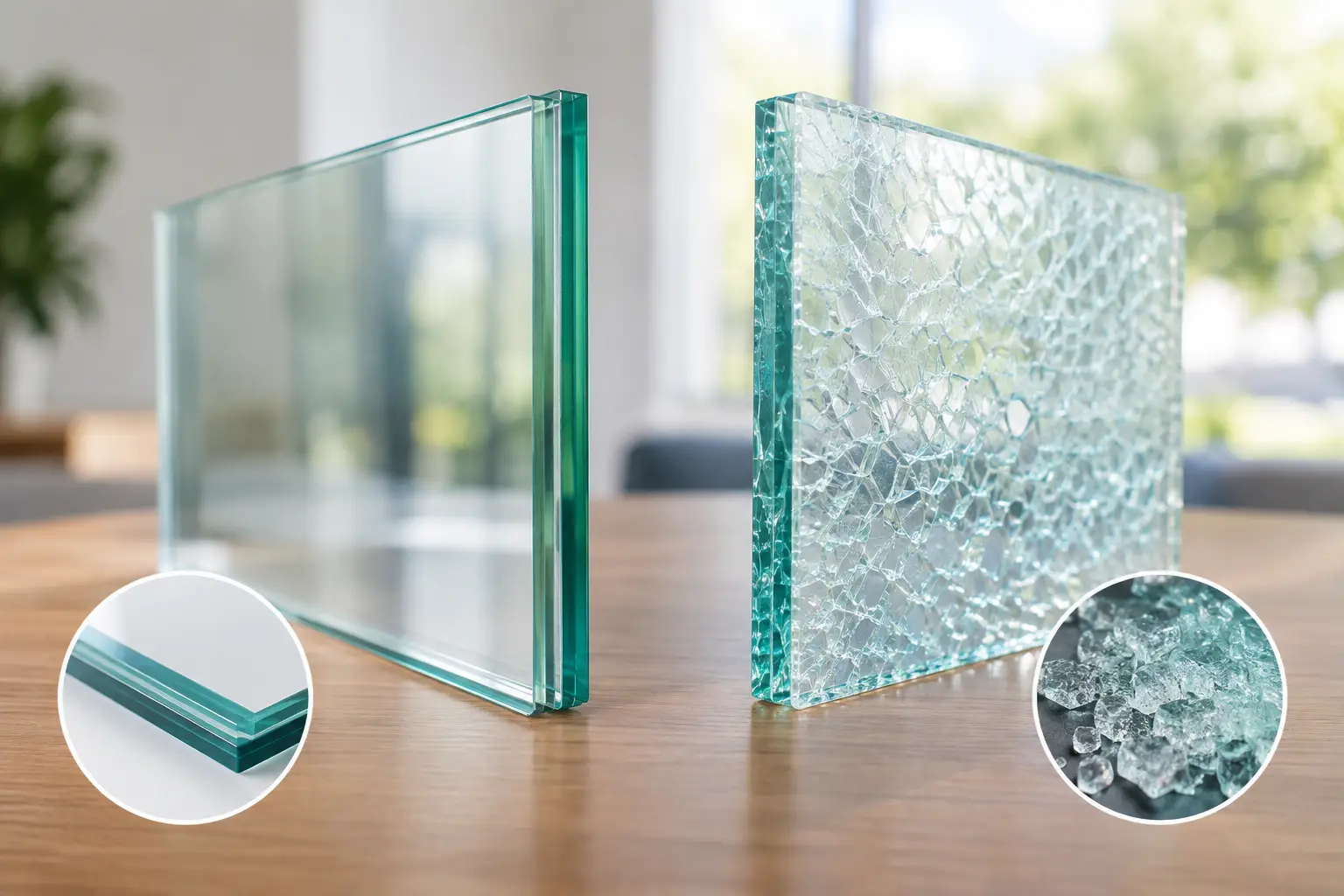
Tempered glass is heat-treated to make it much stronger than ordinary annealed glass. When it breaks, it is designed to crumble into many small, relatively blunt pieces instead of long, sharp shards. That break pattern is why tempered glass is commonly used where people may fall against glass or where doors and enclosures need safety glazing.
Laminated glass is made from two or more pieces of glass bonded together with a clear plastic interlayer. If the glass cracks, that interlayer helps hold the broken pieces in place. The panel may be damaged and need replacement, but it often remains in the opening rather than immediately falling away.
That difference matters in real-life situations. Tempered glass reduces the chance of severe cuts from broken glass. Laminated glass can add another layer of protection by helping keep a broken window, door, or storefront barrier intact for a period of time.
How Tempered Glass Performs
Tempered glass is a practical choice for many high-contact locations. It is typically about four times stronger than standard glass of the same thickness, although its actual performance depends on size, edge condition, installation, and impact location.
The biggest benefit is safe breakage. A shattered tempered panel makes a mess, but its small pieces are generally less hazardous than the large, jagged fragments produced by regular glass. For that reason, it is commonly used in shower doors and enclosures, glass doors, sidelites near entry doors, patio doors, interior office partitions, and many storefront applications.
There is a trade-off. Once tempered glass breaks, the entire panel usually releases from the opening. A shattered patio door or commercial door panel can leave an immediate security and weather-exposure problem. In a storefront break-in, tempered glass may be the appropriate code-compliant choice, but it can also mean the business needs fast board-up service until replacement glass is installed.
Tempered glass also cannot be cut, drilled, or reshaped after it has been tempered. Measurements, holes for hardware, notches, and edge work must be completed before manufacturing. This is especially important for shower glass, commercial doors, and custom partitions where a small measuring error can require a new panel.
Best uses for tempered glass
Tempered glass is often the right fit where human impact is the primary concern. Think shower enclosures, swinging doors, patio doors, glass near stairways, and locations subject to safety-glazing requirements. It is also a common choice when clear visibility and a clean, frameless appearance are priorities.
For a damaged tempered panel, replacement is usually the solution. A crack, chipped edge, or shattered panel should be evaluated promptly because tempered glass can fail suddenly once its edge or surface has been compromised.
How Laminated Glass Performs
Laminated glass approaches safety and protection differently. Its bonded layers make the panel more resistant to penetration, and the interlayer holds broken glass together after impact. A crack may spread across the surface, but the panel can remain largely in place.
That retained barrier is valuable for security-focused applications. A person attempting to enter through laminated glass must work through both glass layers and the interlayer, which can delay entry compared with a single standard glass panel. It is not an unbreakable product, and it should never be presented that way. Its value is in added resistance, glass retention, and time.
Laminated glass can also help reduce outside noise, depending on the glass build-up and interlayer selected. For homes near busy DC-area roads, retail spaces near traffic, or offices that need quieter interiors, this can be a meaningful benefit. Certain laminated configurations can also improve UV protection, helping reduce fading on flooring, furnishings, and displayed merchandise.
The trade-off is weight, cost, and replacement complexity. Laminated glass is generally heavier than a comparable single tempered panel. The frame, hardware, hinges, and supporting structure must be suitable for it. It can also cost more, especially when custom sizes, specialty tints, insulating glass units, or higher-security assemblies are involved.
Best uses for laminated glass
Laminated glass is often worth considering for ground-level windows, storefronts, fixed sidelites, security-sensitive entry areas, and openings where keeping the panel together after breakage has clear value. It can also be a strong option for overhead glazing and specialized applications, provided the overall system is designed for that use.
For commercial properties, laminated glass may help limit the immediate opening created by an impact event. It does not remove the need for emergency service after a break-in or storm, but it can improve the chance that the opening remains partially protected until a technician arrives.
Which Glass Is Better for Windows and Doors?
For a typical insulated residential window, the answer depends on location and performance goals. A standard double-pane insulated glass unit may use regular glass, tempered glass, laminated glass, or a combination based on code requirements and the desired safety or security level.
Glass near a door, close to the floor, adjacent to stairs, or in another impact-prone location may require safety glazing under applicable building codes. Tempered glass is frequently used in these locations because of its safer break pattern. Laminated glass may also qualify for safety glazing when it meets the appropriate standards, while bringing the added benefit of retained fragments.
Patio doors are a good example of the decision process. Tempered glass is common and effective for safety. Laminated glass may be the better upgrade if the homeowner is particularly concerned about forced entry, road noise, or maintaining a barrier after impact. The right choice also depends on the door system. Older rollers, frames, and hardware may need repair or replacement before a heavier glazing option can be installed properly.
For storefront glass, appearance, occupancy needs, local requirements, and security concerns all matter. A retail business with a high-traffic entry may need tempered safety glass in a door. A fixed display window facing a vulnerable street frontage may benefit from laminated security glass. In some systems, a combination of tempered and laminated components is the best answer.
Do Not Choose by Glass Type Alone
A quality installation depends on more than the glass label. The panel must be correctly measured, fabricated for the frame or hardware, set with compatible glazing materials, and sealed against air and water intrusion. This is especially true with insulated glass units, where an improper replacement can lead to drafts, moisture issues, or early seal failure.
Consider these practical questions before ordering replacement glass:
- Is the opening required to use safety glazing?
- Is preventing injury, delaying forced entry, reducing noise, or preserving visibility the main goal?
- Will the existing frame, door, hinges, or hardware support the selected glass?
- Does the opening need an insulated unit for better energy performance?
- If the glass breaks, how quickly does the property need to remain secure?
These answers often narrow the choice quickly. A technician should inspect the opening rather than assuming that the broken panel can be replaced with whatever glass is most readily available.
When a Broken Panel Needs Immediate Attention
If a glass door, storefront, or window has failed after a break-in, accident, or weather event, secure the area first. Keep people away from loose glass, avoid touching cracked edges, and protect the interior from rain or unauthorized entry. Temporary board-up can be the right immediate step while the correct replacement glass is measured and fabricated.
DMV Window Specialist provides residential and commercial glass repair, replacement, and emergency board-up with practical recommendations for the opening in front of you. Whether the job calls for tempered safety glass, laminated security glass, or an energy-efficient insulated unit, the installation should match the property’s real needs rather than a one-size-fits-all answer.
The best time to decide between laminated and tempered glass is before the next broken panel forces a rushed choice. A quick on-site evaluation can turn a replacement project into a safer, more secure, and better-performing improvement for your property.
