

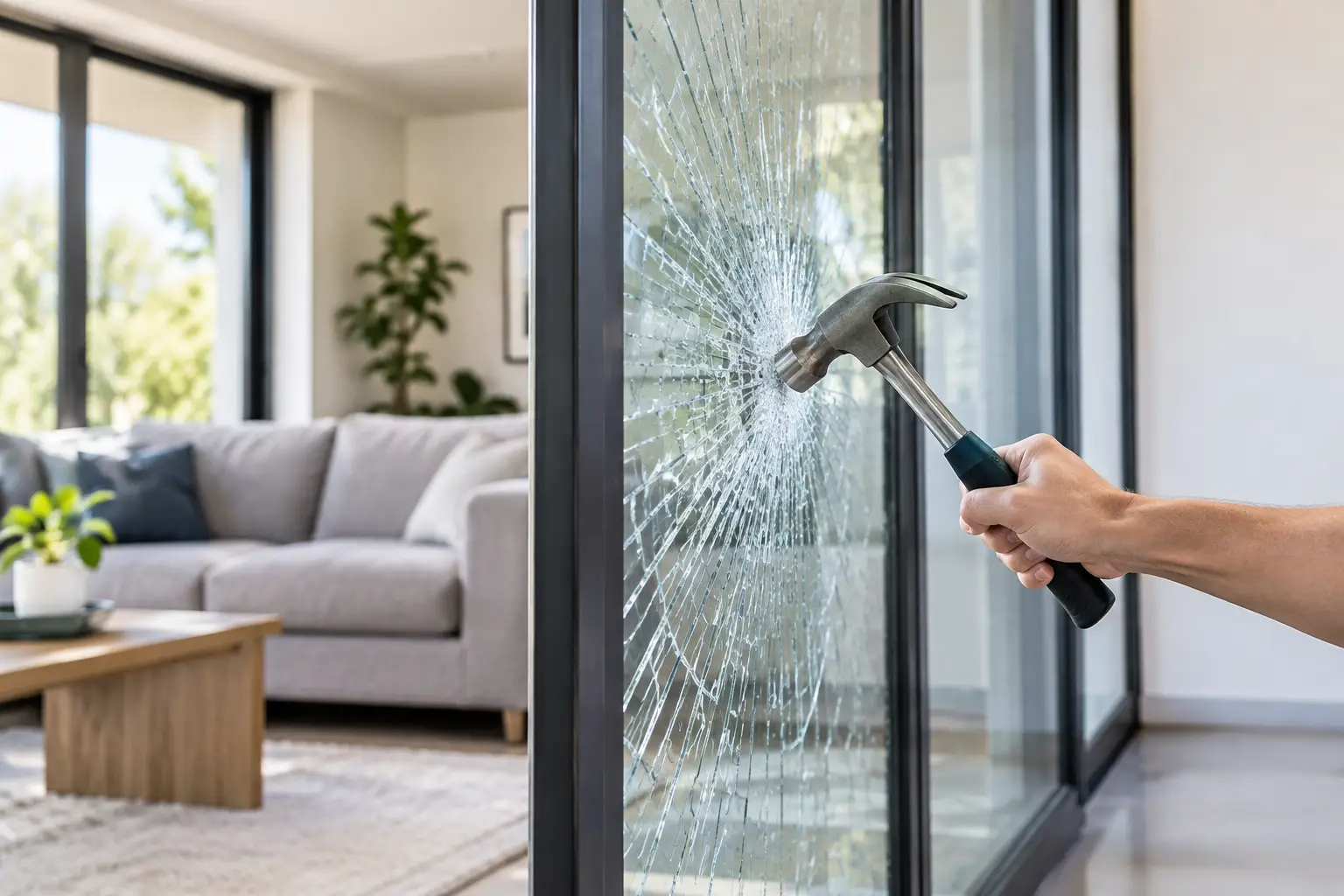
A broken patio door panel or bathroom window can turn into more than a repair problem in seconds. It can create sharp edges, leave an entry exposed, and put people nearby at risk. So, does tempered glass improve safety? Yes, in many common window and door applications, because it is designed to break into small, blunt-edged pieces rather than long, dangerous shards. But tempered glass is not the right answer for every safety concern.
For homeowners, landlords, property managers, and business owners in DC, Maryland, and Virginia, the best choice depends on where the glass is located, how people use the space, and whether the greater concern is accidental impact, severe weather, or forced entry. A qualified glass professional can identify the right safety glass before a routine replacement becomes a costly mismatch.
Does Tempered Glass Improve Safety?
Tempered glass improves safety by changing the way glass fails. Standard annealed glass can break into large, jagged pieces that cause serious cuts. Tempered glass is heat-treated during manufacturing to create internal tension. When it breaks, that tension releases and the panel fractures into many relatively small, pebble-like pieces.
Those pieces can still cause injury, and a broken opening still needs immediate attention. The key benefit is that tempered glass greatly reduces the likelihood of deep lacerations from sharp shards. That is why building codes commonly require safety glazing in locations where a person could fall into, walk into, or strike the glass.
Tempered glass is also stronger than ordinary glass of the same thickness. It generally handles everyday impacts, closing doors, and temperature changes better than standard glass. Still, stronger does not mean unbreakable. A direct impact, damaged edge, or hard strike can break it.
Where Tempered Safety Glass Makes the Most Sense
Safety glass is especially valuable in areas where people move close to glass or where a fall could put someone through it. Residential and commercial code requirements vary by location and project, but tempered glass is frequently used in shower enclosures, patio doors, glass doors, sidelights near doors, low windows, stairway areas, and certain large glass panels.
Shower Doors and Bathroom Glass
A shower enclosure is one of the clearest cases for tempered glass. People are barefoot, the floor may be wet, and the glass is close to the user. If a panel breaks, tempered glass is intended to reduce the severe-cut risk associated with standard glass.
Shower glass should also be measured, installed, and supported correctly. Hardware placement, panel thickness, door alignment, and edge protection all matter. A quality panel can still fail if it is under stress from poor installation or a misaligned door.
Patio Doors, Sliding Doors, and Entry Systems
Patio doors and full-view entry doors face frequent use, accidental bumps, and occasional hard impacts. Tempered glass makes sense because these panels are large and positioned directly in everyday traffic paths. For rental homes and commercial spaces, replacing a damaged door panel with the appropriate safety glass can reduce liability concerns while restoring access and appearance.
For storefront doors, sidelights, and office entry systems, the right glass selection should also account for door operation and hardware. A door that drags, slams, or fails to latch can put repeated stress on the glass and surrounding frame.
Low Windows and Large Fixed Panels
A floor-level window may look like a normal window, but it can create a safety concern if someone trips, falls, or leans against it. Large fixed panels in homes, lobbies, offices, and retail spaces can present the same risk. Tempered glass can be the appropriate choice where local code identifies a hazardous location.
This is not a decision to make based on appearance alone. Glass size, bottom edge height, nearby walking surfaces, and whether the panel is beside a door can all affect what type of glazing is required.
Tempered Glass Is Not the Same as Security Glass
A common misunderstanding is that tempered glass provides strong protection against break-ins. It is tougher than standard glass, but once it breaks, the whole panel usually falls apart. That can leave a large open space quickly.
If security or delayed entry is the priority, laminated glass may be a better fit. Laminated glass uses two or more layers of glass bonded to a durable interlayer. When damaged, the glass may crack, but the interlayer helps hold the panel together. That can make it harder for someone to create an opening and can help keep broken glass in place after impact.
For a street-facing storefront, a ground-floor office, or a home with recurring break-in concerns, a technician may recommend laminated safety glass, security glazing, or a system that combines the right glass with a stronger frame and reliable locks. Glass alone is only one part of property security.
Tempered vs. Laminated Glass: The Practical Difference
Both products are considered safety glazing, but they serve different purposes. Tempered glass is usually selected to reduce injury from shattered glass. Laminated glass is often selected when glass retention, sound control, and added resistance to penetration matter more.
There are trade-offs. Tempered glass is often a practical and cost-conscious option for shower doors, interior glass, patio doors, and code-required hazardous locations. Laminated glass can cost more and may require a compatible frame or door system, but it can offer a better result for security-sensitive areas and locations where keeping the opening intact matters.
Insulated glass units add another consideration. Many exterior windows and doors use double-pane insulated glass to reduce heat transfer and improve indoor comfort. Depending on the opening, one or both panes may need to be tempered or laminated. Replacing fogged or broken insulated glass is not simply a matter of matching the visible pane. The replacement must match the safety needs, size, thickness, coatings, and performance of the existing system.
What Happens When Tempered Glass Breaks?
Tempered glass can break suddenly and dramatically. A sharp impact is an obvious cause, but glass edges are vulnerable too. A chip at the edge, pressure from an improperly adjusted frame, a door that repeatedly slams, or hardware installed with too much tension can contribute to failure over time.
In rare cases, tempered glass can break without a clear impact. Manufacturing inclusions inside the glass can create internal stress that eventually causes the panel to fail. That does not mean every unexpected break is a manufacturing defect, but it is one reason a professional inspection is helpful before replacing the panel.
When tempered glass breaks, keep people away from the area, wear shoes and gloves if cleanup is necessary, and protect the opening as quickly as possible. For a damaged exterior window, door, or storefront, emergency board-up can prevent weather intrusion, unauthorized access, and further damage while the correct glass is ordered.
How to Choose the Right Glass for Your Property
The right question is not simply whether tempered glass is safer. Ask what kind of safety problem you need to solve. Is the goal to reduce injuries in a shower? Meet safety-glazing requirements at a patio door? Improve resistance to forced entry at a storefront? Restore a failed insulated glass unit without losing energy efficiency?
A professional glass assessment should look at the opening, frame condition, nearby traffic, hardware, and the cause of damage. For example, replacing a broken sliding-door panel with tempered glass is only part of the repair if worn rollers or a damaged track caused the door to bind. Likewise, installing security glass in a weak, deteriorated frame may not provide the protection the owner expects.
DMV Window Specialist helps property owners identify practical glass replacement options for homes, apartments, offices, retail spaces, and emergency damage situations. The goal is a properly installed solution that restores safety, function, and peace of mind without overselling a product that does not fit the application.
Do Not Wait on a Damaged Safety-Glass Opening
If glass is cracked, chipped along the edge, loose in the frame, or difficult to operate around, schedule an inspection before it fails completely. This is especially important for shower doors, patio doors, low windows, and commercial entry systems where people pass close to the glass every day.
A fast repair does more than improve the appearance of the property. It helps protect occupants, limits exposure to weather and intruders, and gives you a chance to select glass that fits the real risk at that opening. When safety is on the line, the right replacement is worth getting right the first time.
