

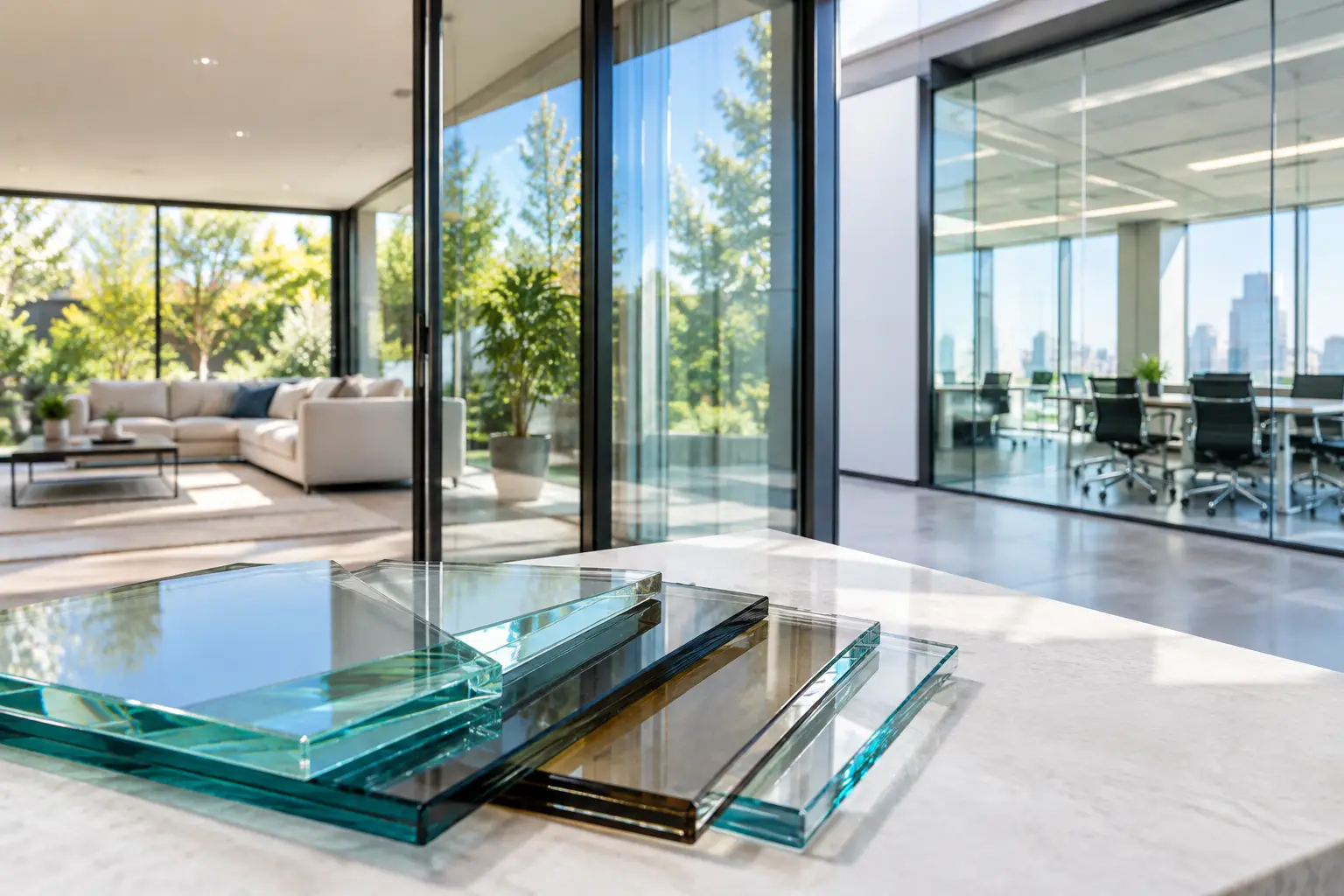
A cracked storefront panel, a shower enclosure that never fit quite right, or a large mirror needed for an awkward wall all have one thing in common: off-the-shelf glass is rarely the answer. Custom glass is measured, selected, and installed for the exact opening, use, and appearance of your property. Done correctly, it restores more than the view. It improves safety, privacy, energy performance, and the way a home or business functions every day.
For property owners in Washington, DC, Maryland, and Virginia, the right solution starts with an on-site assessment. Glass has to fit the opening precisely, work with the existing frame or hardware, and meet the demands of the location. A bathroom, patio door, office, and retail storefront may all use glass, but they do not need the same product.
What Custom Glass Can Solve
Custom glass is not limited to decorative projects. It is often the practical answer when standard sizes, basic glass types, or temporary repairs no longer meet the need. Homeowners may need a replacement insulated glass unit for a fogged window, a new panel for a sliding patio door, a fitted mirror, or a safer shower enclosure. Commercial customers may need a replacement storefront lite, office partition, glass door panel, security glazing, or an emergency board-up followed by permanent replacement.
The benefit is accuracy. A technician measures the actual opening instead of relying on a nominal size. That matters because older homes, historical windows, commercial frames, and remodeled spaces are not always square or consistent. Even a small measurement error can create gaps, stress on the glass, air leaks, hardware problems, or an installation that simply does not look right.
A custom solution also gives you more control over the glass itself. You can choose options that support your priorities, whether that means clearer visibility, more privacy, better insulation, easier cleaning, added impact resistance, or a specific finished edge.
Choosing Custom Glass for the Space
The best glass depends on where it will be installed and what it needs to do. A clear panel may be ideal for a storefront that depends on product visibility. That same clear panel may be a poor choice for a bathroom window or a conference room where privacy matters.
Residential glass needs
For homes, insulated glass is a common choice for exterior windows and patio doors. These units use multiple panes separated by a sealed airspace, helping reduce heat transfer. If you see persistent fogging between panes, the seal has likely failed. Replacing the insulated glass unit can restore clarity and improve comfort without always requiring a full window replacement.
Safety glass is often required or strongly recommended around doors, showers, stairways, and other high-traffic areas. Tempered glass is designed to break into small pieces rather than dangerous sharp shards. Laminated glass holds together when broken because it includes an interlayer between panes. Which one is right depends on the application, local code requirements, and the level of security or noise control you want.
Mirrors are another common custom project. A properly sized wall mirror can make a bathroom feel brighter, improve a dressing area, or add function to a fitness room. Edge finishing, thickness, mounting method, and the condition of the wall all affect the final result. Large mirrors should be professionally installed so they sit flat, stay secure, and have appropriate support.
Commercial glass needs
For businesses, glass has to balance appearance with daily wear and security. Storefront glass should provide a clean view into the business while standing up to weather, foot traffic, and routine door operation. If a storefront panel breaks after an accident or break-in, the immediate priority is securing the property. Emergency board-up protects the opening until the correct replacement glass can be fabricated and installed.
Office glass partitions can bring natural light deeper into a space while defining private work areas. Frosted or patterned finishes can add privacy without closing off the office entirely. For entry doors, matching the glass to the door hardware and frame condition is just as important as selecting the pane itself. A new glass panel will not solve a dragging door, failed closer, or loose pivot unless those issues are addressed at the same time.
Details That Affect Performance
Glass selection is only part of the job. The surrounding frame, glazing materials, seals, and hardware determine whether the finished installation performs as expected. A quality replacement must be set correctly, sealed against water and air intrusion, and supported without placing pressure on the edges.
For exterior applications, energy efficiency deserves careful attention. Low-emissivity coatings, insulated units, and appropriate glass thickness can help reduce solar heat gain or heat loss, depending on the exposure of the building. A south-facing wall of glass has different needs than a shaded bedroom window. In the DMV area, where humid summers and cold winter days both put pressure on HVAC systems, this decision can affect comfort throughout the year.
Privacy is another area where trade-offs matter. Frosted, obscure, tinted, and patterned glass can limit sightlines, but each option changes how much light passes through and how clearly you can see out. A bathroom may benefit from obscured glass, while a front office may need a subtle film or partial frosting that preserves an open feel. The right choice should solve the privacy issue without creating a darker or less useful space.
Security glass also requires a realistic conversation. Laminated and specialty security products can make forced entry more difficult and help keep broken glass contained, but they are not a substitute for sound locks, door hardware, lighting, and a properly secured frame. The strongest result comes from treating the opening as a complete system.
Why Professional Measuring and Installation Matter
Glass is not a material that rewards guesswork. It can be heavy, sharp, and unforgiving when handled incorrectly. Oversized panels and shower glass require specialized handling, accurate measurements, and a clear installation plan before the glass arrives on site.
Professional technicians inspect the opening for problems that may affect the replacement. They look for damaged frames, failed seals, loose stops, worn rollers, door alignment issues, and signs of water intrusion. Finding those concerns early prevents a new panel from being installed into the same conditions that caused the original problem.
The installation process should also account for the people using the space. In a home, that may mean protecting floors, keeping pets and children away from the work area, and scheduling around daily routines. In a business, it may mean completing work before opening, isolating the repair area, or securing a damaged storefront quickly so operations can continue.
At DMV Window Specialist, technicians help customers understand the practical choices before work begins. The goal is not to push the most expensive option. It is to provide the glass, repair, or replacement that fits the opening, the budget, and the demands of the property.
When to Repair, Replace, or Upgrade
Not every damaged glass surface needs a full replacement, but some problems should not wait. Small chips in certain applications may be manageable, while cracks, shattered panels, failed insulated units, loose glass, and broken door lites usually call for professional service. If the glass protects an entry, storefront, or ground-level opening, prompt action is especially important.
Repair may make sense when the frame and hardware are in good condition and only the glass unit has failed. Replacement becomes more practical when the glass is outdated, the opening has recurring leaks, the frame is compromised, or the existing setup no longer meets safety and performance needs. An upgrade may be worthwhile during renovations, after repeated fogging, or when a business is changing its layout and privacy requirements.
For emergency damage, do not handle loose shards or attempt to force a broken panel back into place. Keep people away from the area, secure the space if possible, and arrange for professional board-up or glass service. Fast protection reduces the chance of further property damage and helps restore peace of mind.
The right custom glass installation should look like it has always belonged there: clean lines, secure fit, reliable performance, and a result that makes the property safer and more useful. When a glass opening is damaged, outdated, or simply not working for the space, a careful on-site evaluation is the fastest path to a solution that holds up.
